
Home
The Timeless Elegance of Wooden Shutters in Home Décor

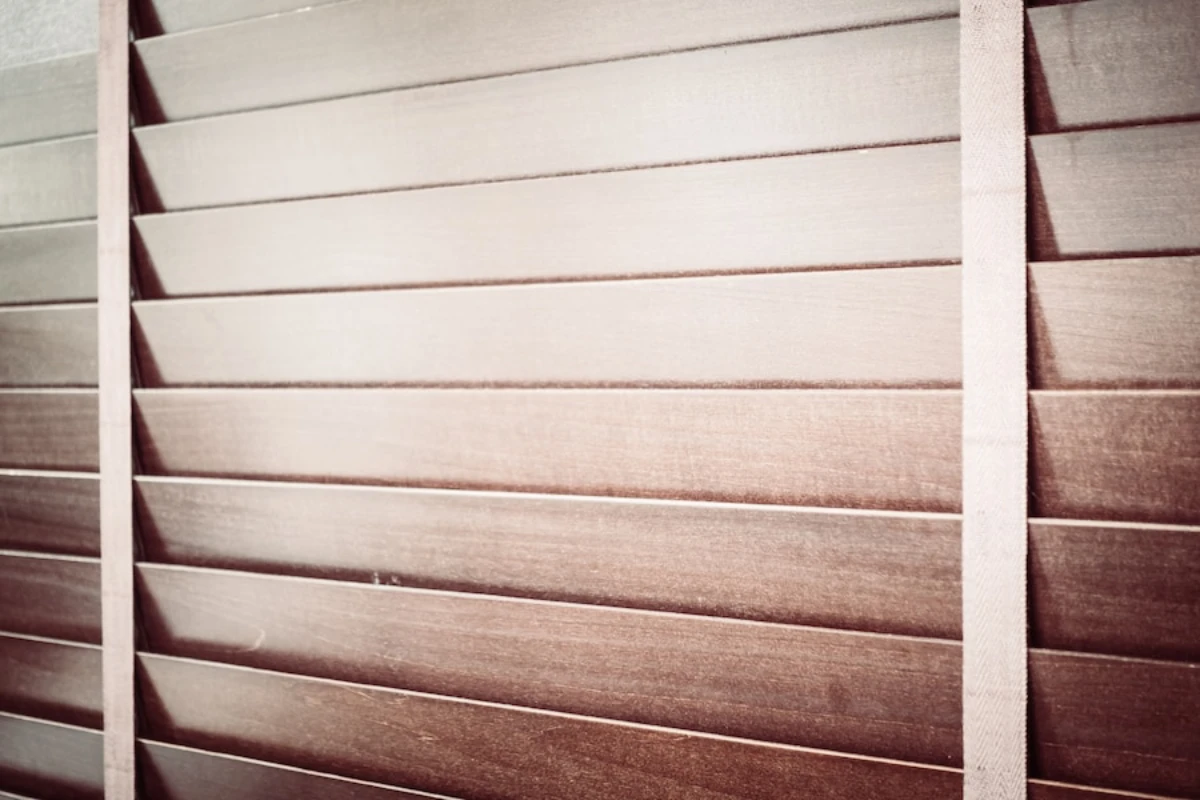
Wooden shutters have been a staple in home design for centuries, offering a blend of function and aesthetic appeal. Their versatility and classic charm make them popular for homeowners seeking to enhance their interiors while maintaining a connection to traditional craftsmanship. From framing windows elegantly to providing privacy and insulation, wooden shutters have a timeless quality that transcends trends. We will explore the enduring appeal of wooden shutters, their practical benefits, and how they can elevate the ambiance of any living space with a touch of warmth and sophistication.
The Practical Benefits of Wooden Shutters
Wooden shutters remain a favorite in home décor because of their functionality. Unlike other window treatments, wooden shutters provide excellent control over light and privacy. Adjustable louvers allow homeowners to decide the amount of sunlight they want to let in while maintaining a sense of seclusion. This feature is particularly useful in bedrooms and living rooms, where balancing light and privacy is often a priority.
Additionally, wooden shutters from Final Touch Blinds & Shutters act as natural insulators. Their sturdy construction helps regulate indoor temperatures, keeping homes cooler in summer and warmer in winter. This energy efficiency can reduce utility bills over time, making them a cost-effective choice for homeowners. Moreover, their durability ensures that they last for years with minimal maintenance. A quick dusting or occasional polishing is usually sufficient to keep them looking pristine, making them a practical option for busy households.
Beyond functionality, wooden shutters contribute to better air quality compared to fabric-based window treatments. Unlike curtains that trap dust and allergens, shutters are easy to clean, reducing the buildup of potential irritants. This makes them an excellent choice for families with allergy concerns. With their practical benefits, wooden shutters are a valuable investment for any home.
Enhancing Aesthetics with Wooden Shutters
Wooden shutters are more than just functional; they are a design statement that adds elegance and character to a home. Their natural texture and warm tones complement various interior styles, from rustic and traditional to modern and minimalist. Homeowners can choose from various finishes, such as natural wood, painted, or stained, to match their décor preferences. This adaptability makes them a versatile choice for any room.
The classic look of wooden shutters creates a sense of timelessness, making them an enduring addition to home design. In spaces like dining rooms and studies, shutters add a touch of sophistication, framing windows with clean lines and understated beauty. In casual spaces, such as kitchens or sunrooms, shutters bring warmth and coziness, creating an inviting atmosphere for family and guests.
Customization options further enhance their appeal. Homeowners can select shutter styles like full-height, café-style, or tier-on-tier designs to suit their needs and aesthetic goals. Each style offers unique advantages, whether maximizing natural light or achieving a balanced look. These choices ensure that wooden shutters fit seamlessly into a home’s design and elevate its overall ambiance.
Wooden Shutters as a Sustainable Choice
Sustainability has become a growing concern in home design, and wooden shutters offer an eco-friendly option for those looking to reduce their environmental impact. When sourced responsibly, wood is a renewable material that can be harvested and replenished without significant harm to ecosystems. Many manufacturers now prioritize sustainable forestry practices, ensuring that the wood used for shutters comes from well-managed forests.
Wooden shutters are a sustainable material that contributes to energy efficiency in homes. By providing natural insulation, they reduce the need for excessive heating or cooling, lowering energy consumption and carbon emissions. This aligns with the goals of environmentally conscious homeowners who want to create a greener living space.
Another aspect of their sustainability lies in their longevity. Wooden shutters are built to last, reducing the frequency of replacements compared to other window treatments. Their durability and timeless appeal mean they remain functional and stylish for decades, minimizing waste. Choosing wooden shutters is an investment in a home’s aesthetics and a step toward more sustainable living.
Creating a Cohesive Design with Wooden Shutters
One of the strengths of wooden shutters is their ability to connect a room’s design elements. Their clean lines and natural textures provide a unifying element that complements furniture, flooring, and other decorative features. This cohesion is particularly evident in open-concept homes, where consistency across different spaces is essential for a harmonious look.
Wooden shutters can be a focal point in homes with large windows or sliding glass doors, drawing attention to the space’s architectural features. Their sturdy construction and elegant design enhance the overall visual appeal while providing the practicality of light control and privacy. For smaller windows, shutters add charm without overwhelming the space, making them suitable for various window sizes and shapes.
Beyond windows, wooden shutters can also be used creatively, such as dividing rooms or creating decorative panels. Their versatility allows homeowners to experiment with different applications, adding a unique touch to their interiors. Whether used traditionally or innovatively, wooden shutters bring a sense of unity and refinement to home design.
Wooden shutters embody the perfect blend of function and aesthetics, offering a timeless elegance that enhances any living space. Their practical benefits, including light control, privacy, insulation, and durability, make them a valuable investment for homeowners. At the same time, their natural beauty and versatility allow them to complement a wide range of interior styles, creating a cohesive and inviting atmosphere. By choosing sustainable materials and maintaining them with care, homeowners can enjoy the enduring charm of wooden shutters while contributing to a greener environment. With their timeless appeal, wooden shutters stand as a symbol of elegance in home décor.

The increasing adoption of solar energy has transformed not only how homeowners power their residences but also how properties are valued in the real estate market. Solar panels are no longer just an environmentally conscious choice; they have become a significant factor in determining the appeal and value of a home. Many buyers today consider energy efficiency and long-term savings as vital elements when deciding which property to purchase. The role of solar installers, therefore, extends beyond mere equipment installation; they contribute directly to enhancing a home’s financial and market standing. We will explore how solar installation affects home value and resale potential, highlighting why this renewable energy option has become a crucial consideration in property transactions.
The Role of Solar Installers in Increasing Home Value and Resale Potential
- Boosting Market Appeal Through Energy Savings
A home equipped with solar panels tends to attract more attention from potential buyers, primarily due to the reduced utility costs. Solar installers help transform a standard property into one with a tangible long-term financial benefit. When a house generates its electricity, buyers immediately benefit from lower monthly bills and reduced reliance on fluctuating energy prices. This promise of energy savings enhances the home’s perceived value, often resulting in a higher asking price. Since solar panels can significantly reduce electricity expenses, many buyers are willing to pay a premium for homes that already have an operational solar system, which directly benefits from the expertise of professional solar installers. For those interested in reliable installation services in the Chico, CA area, resources such as https://northvalleysolarpower.com/location/chico-ca/ provide valuable connections to experienced solar providers.
- Enhancing Environmental Appeal and Modern Living Standards
Today’s homebuyers are increasingly environmentally conscious, seeking sustainable and green living options. Solar installers bring that possibility to life by enabling homeowners to generate clean energy and reduce their carbon footprint. This environmental appeal can be a powerful selling point in the real estate market, especially in communities where green living is highly valued. Properties with solar installations often stand out as modern and forward-thinking, which can influence buyer decisions. The presence of a well-installed solar system signals that the home has been maintained with an eye toward innovation and responsibility, boosting its desirability and resale potential.
- Providing Documentation and Warranties That Add Trust
A significant contribution of solar installers is the provision of detailed system documentation, warranties, and maintenance plans. These elements provide buyers with peace of mind, ensuring that the solar panels are functioning correctly and that any future issues are covered. Proper installation records and transferable warranties assure buyers they won’t inherit unforeseen costs or malfunctions. When solar panels are professionally installed and accompanied by clear documentation, it reassures potential buyers of the system’s quality and reliability. This trust, built through transparency and professionalism, can accelerate sales and potentially increase the home’s value.
- Increasing Home Appraisal Values with Solar Systems
Professional solar installation can significantly impact how home appraisers evaluate property value. Appraisers consider energy efficiency features and systems that reduce operating costs when determining a home’s value. Homes with properly installed solar panels often receive higher appraisals than similar properties without such systems. Solar installers contribute to this by ensuring the panels are placed optimally, function well, and comply with local regulations. The quality and condition of the solar setup impact appraisal outcomes, meaning that the installer’s work directly affects the valuation of a home during resale.
- Expanding Financing and Incentive Opportunities
The involvement of qualified solar installers can help homeowners access a range of financial incentives, tax credits, and rebates offered by governments or utility companies. These incentives often depend on having a compliant and verified installation, which installers guarantee through their adherence to standards and regulations. The ability to transfer these incentives or demonstrate compliance during a home sale can make the property more attractive to buyers who understand the economic benefits of solar power. Thus, professional installation opens doors not only to energy savings but also to financial benefits that enhance the overall value and marketability of the home.
- Minimizing Future Maintenance Issues and Increasing System Longevity
The quality of the initial solar installation has a direct effect on the system’s durability and maintenance needs. Solar installers ensure that panels and related equipment are properly installed to withstand weather conditions and operate efficiently over many years. Buyers are more likely to be interested in homes that feature a solar system requiring minimal upkeep and have a longer lifespan. This reliability, guaranteed through proper installation, reduces future costs and hassles, making the property more appealing. Well-installed solar panels also reduce the risk of damage or malfunction, which can otherwise deter potential buyers.
Solar installers do more than simply place panels on a roof—they contribute significantly to how a home is perceived, valued, and marketed. Their work influences everything from monthly energy savings to environmental reputation, trustworthiness through documentation, appraisal values, financial incentives, system durability, and market differentiation. These factors combine to enhance a property’s value and make it more appealing when it comes time to sell.
The rising popularity of solar energy and the financial benefits it offers have made professional solar installation a crucial factor in real estate. Homeowners who invest in solar panels through skilled installation may see a notable return on that investment, not only through lower energy costs but also through increased home equity and easier resale. The role of solar installers is crucial in unlocking these advantages, shaping a home’s future in the market and its potential appeal to eco-conscious, cost-savvy buyers.
As more people prioritize sustainability and energy efficiency, homes with solar power stand poised to become even more valuable. The work of solar installers lays the foundation for this value by ensuring that the system is effective, reliable, and appealing. Their impact extends far beyond installation—it resonates in higher home appraisals, increased buyer confidence, and ultimately, the successful resale of properties in a competitive marketplace.
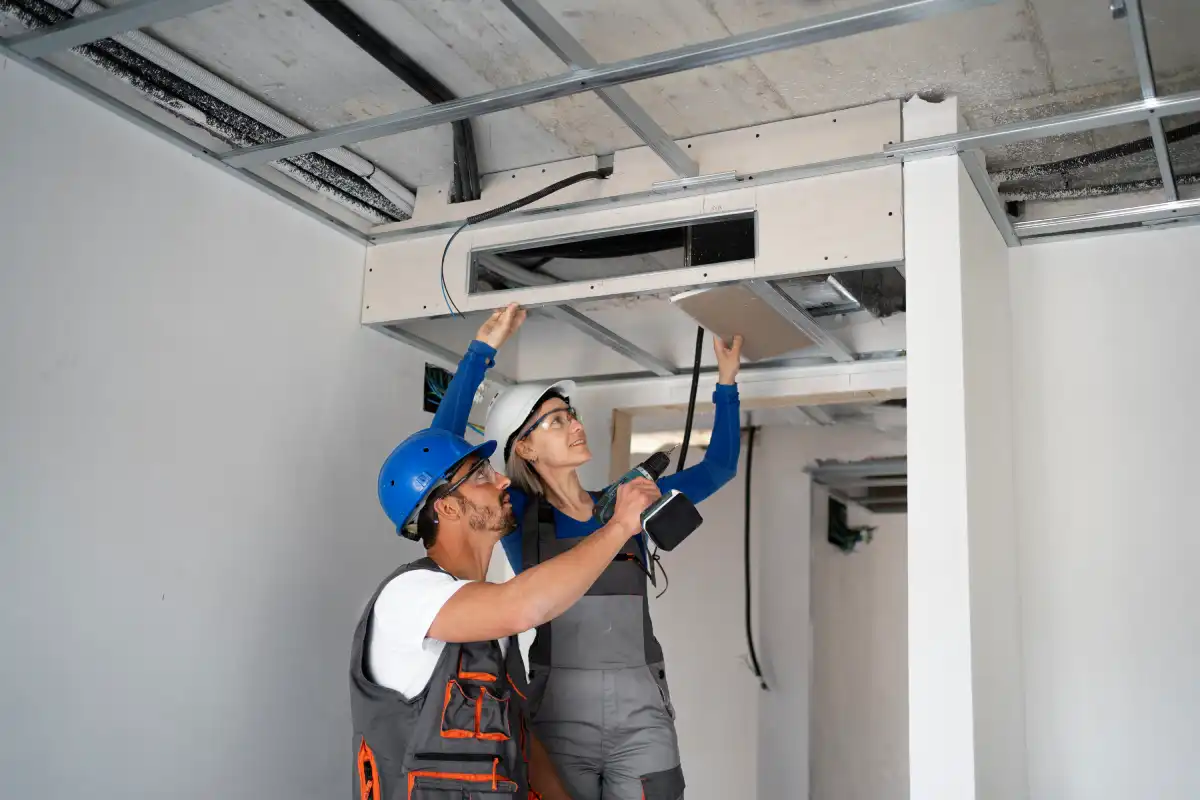
Maintaining a comfortable home environment year-round heavily relies on the efficiency and reliability of a heating, ventilation, and air conditioning (HVAC) system. Many homeowners don’t realize the importance of regular tune-ups until their system malfunctions at the worst possible time. We will explore why staying consistent with HVAC maintenance is crucial, not only to keep your home comfortable but also to save money, improve indoor air quality, extend the system’s lifespan, and enhance safety. Regular tune-ups help avoid unexpected breakdowns, reduce repair costs, and ensure that your HVAC system works efficiently when you need it the most. Understanding these benefits can encourage homeowners to prioritize routine care, making the difference between a stress-free heating and cooling experience and frequent inconveniences.
The Importance of Regular HVAC Tune-Ups: 4 Key Benefits
- Improved Energy Efficiency
One of the most immediate and noticeable effects of regular HVAC tune-ups is improved energy efficiency. Over time, dust, dirt, and debris naturally accumulate on components like filters, coils, and vents, causing your system to work harder to maintain the desired temperature. When this happens, your HVAC unit consumes more energy, resulting in higher utility bills. A comprehensive tune-up addresses this buildup by cleaning or replacing filters, clearing debris, and adjusting mechanical parts to optimize their function. The system is then able to operate more smoothly and with less effort.
For homeowners, especially those who rely heavily on heating or cooling during extreme weather, this can translate to substantial savings on energy costs. More efficient systems also reduce the strain on power grids, contributing positively to environmental efforts. Partnering with a reliable heating and cooling service ensures these tune-ups are thorough and consistent, helping not only your wallet but also reducing your carbon footprint.
- Prolonged System Lifespan
Your HVAC system represents a significant investment, often costing thousands of dollars to install. Without proper maintenance, components within the system wear down more quickly and are more likely to fail prematurely. Neglected parts such as belts, motors, and compressors face increased strain, leading to breakdowns and the need for costly replacements. During a tune-up, each component is carefully inspected, lubricated, and tested. Technicians can detect and correct small issues before they turn into major problems. Tightening electrical connections, checking refrigerant levels, and calibrating thermostats are all part of routine maintenance that prevents unnecessary wear. This preventative care extends the life of your HVAC system by years, maximizing the value of your original investment and delaying the need for full replacement. Homeowners benefit not only from financial savings but also from the peace of mind that comes with a reliable system.
- Enhanced Indoor Air Quality
The air inside your home has a direct impact on your health and comfort. HVAC systems that haven’t been maintained properly often become sources of indoor air pollution. Dust, pollen, mold spores, and other allergens accumulate in dirty filters and ducts, then circulate throughout the house. This can trigger allergies, asthma attacks, and other respiratory problems, especially for vulnerable individuals such as children and the elderly. Regular tune-ups include cleaning or replacing air filters and inspecting ductwork for leaks or blockages. Keeping these components clean helps remove contaminants from the air and maintains better airflow.
Additionally, some maintenance plans include cleaning coils and drip pans, which can prevent mold growth. By improving indoor air quality, tune-ups contribute to a healthier living environment. This is particularly important for families who want to minimize exposure to airborne irritants and maintain a fresh, clean atmosphere in their homes.
- Increased Reliability and Reduced Emergency Repairs
When HVAC systems are neglected for extended periods, they become susceptible to sudden failures. These breakdowns typically occur during the most inconvenient times—such as the middle of a heatwave or a cold snap—when heating or cooling is essential. Being without climate control can be uncomfortable and even dangerous, particularly for people with health conditions. Regular tune-ups help identify worn-out parts, electrical issues, or refrigerant leaks early on, allowing for timely repairs before a breakdown occurs.
This proactive approach significantly reduces the likelihood of emergency service calls and costly last-minute repairs. It also means you won’t be left scrambling to find help during peak demand times, when repair companies are often busiest. By keeping the system in good working order, homeowners enjoy uninterrupted comfort and avoid the stress and expense associated with emergency repairs. The reliability gained from routine maintenance adds value and convenience to daily life.
In addition to these four main benefits, there are several practical reasons to maintain regular HVAC tune-ups. For example, well-maintained systems generally operate more quietly, reducing noise pollution within your home. Additionally, many manufacturers require proof of regular maintenance to honor warranty claims, so skipping tune-ups could result in coverage being invalidated. Scheduling tune-ups seasonally, before peak heating or cooling times, ensures your system is ready to handle the demand. This preparation helps avoid placing undue stress on the equipment and keeps your living space comfortable when outdoor temperatures become extreme.
Regular HVAC tune-ups provide numerous benefits that help protect both your home and family. They improve energy efficiency, saving money on utility bills while reducing environmental impact. Maintenance prolongs system life by preventing premature failures and costly replacements. Tune-ups enhance indoor air quality, creating a healthier atmosphere for everyone in the household. They increase reliability and reduce the likelihood of unexpected breakdowns, resulting in less stress and inconvenience during critical weather conditions.
Above all, tune-ups ensure your system operates safely, preventing potentially hazardous issues such as carbon monoxide leaks or electrical fires. For homeowners seeking lasting comfort and peace of mind, committing to routine HVAC maintenance is a wise decision that pays off in comfort, savings, and security over time.
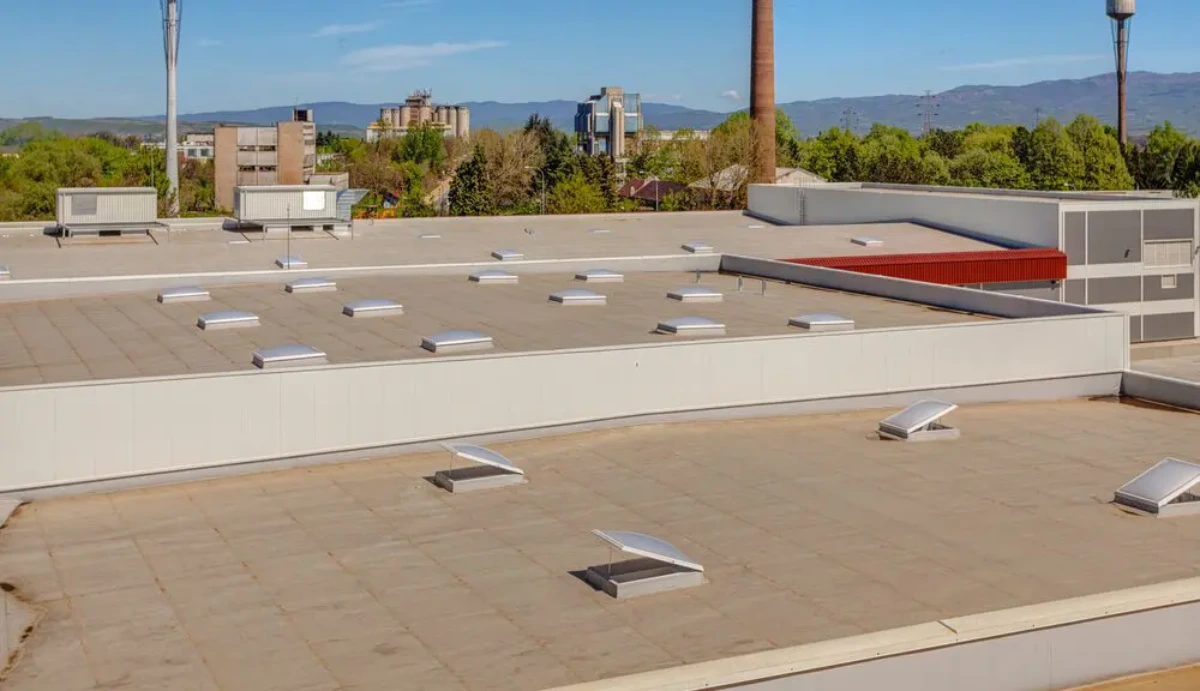
Commercial buildings rely heavily on durable roofing systems that can handle various weather conditions and foot traffic without failing. A flat roof is often chosen for warehouses, office buildings, retail outlets, and industrial properties due to its ease of access, lower installation cost, and suitability for large surface areas. Unlike pitched roofs, flat roofs create a horizontal barrier against the elements and offer practical space for HVAC units and solar panels. The construction and maintenance of these roofs require careful attention to material performance, drainage planning, and long-term maintenance. Building owners must consider how the roof will function over time and under environmental and human use pressure.
How design, material, and climate affect performance
- The Functionality of Flat Roof Systems in Commercial Spaces
Flat roofs are designed to provide a consistent and even covering for large surface areas, minimizing the complexity of installation while maximizing utility. Because they can double as functional space for equipment, they are popular in dense urban areas where internal square footage is limited. Flat roofs, however, are not truly flat—they are built with a slight slope to encourage water drainage. This subtle engineering detail is critical to preventing pooling, which can lead to membrane deterioration or structural damage. In colder climates, ponding can lead to freeze-thaw cycles that weaken materials over time, while in warmer areas, standing water can promote bacterial or algal growth. For property owners managing commercial flat roofing in Kansas City, the challenge includes preparing for humid summers and snow-packed winters, making material flexibility and drainage performance non-negotiable. These climate-driven factors influence the choice of roofing membrane and the installation method used.
- Comparing Common Roofing Materials and Their Practical Use
The success of a commercial flat roof depends significantly on the material chosen for its surface. Among the most common options are thermoplastic polyolefin (TPO), ethylene propylene diene monomer (EPDM), and modified bitumen. Each material has its unique performance profile regarding UV resistance, flexibility, and installation requirements. Due to its reflective surface, TPO offers strong resistance to ultraviolet light and energy efficiency. At the same time, EPDM is known for its rubber-like flexibility and ability to expand and contract in changing temperatures. Modified bitumen, on the other hand, uses asphalt-based layering systems that provide durability and resistance to puncture. The installation method—whether ballasted, mechanically attached, or fully adhered—also plays a role in performance. Choosing the right system means evaluating the expected roof load, the potential for physical foot traffic, and how often equipment will be serviced. The material also influences how easily repairs can be made and what maintenance cycles are recommended.
- Importance of Drainage Planning in Flat Roof Longevity
Proper drainage is one of the most essential considerations in any flat roof design. While a pitched roof naturally sends water to the ground, a flat roof relies on a planned system of internal drains, scuppers, or tapered insulation to manage water flow. When drainage is inadequate, pooling accelerates wear and tear and can compromise the membrane bond. The added weight of standing water stresses the structure, particularly during heavy storms or snow accumulation. Commercial roofs often include rooftop units, conduits, or solar panels, which can unintentionally block water pathways or direct flow to unintended areas. To avoid this, roofing contractors typically map out drainage zones and install safeguards such as overflow drains and backup systems. Regular inspections are necessary to ensure that outlets remain clear and functional. If these systems are overlooked during the planning or retrofitting phase, costly water damage can arise, especially in areas where seasonal precipitation is unpredictable or intense.
- Repair and Maintenance Strategies to Extend Roof Life
A well-constructed flat roof can last decades, but only with consistent maintenance and prompt attention to repairs. Even the most resilient membranes can develop blisters, punctures, or seam separations from UV exposure and temperature swings. Regular inspections are recommended at least twice yearly and after any major weather event. During these checks, roofing professionals look for pooling, mold, visible cracks, or membrane delamination signs. Immediate action on minor problems prevents them from escalating into expensive structural repairs. Many commercial property owners also invest in roof coatings to extend life span and boost reflectivity, especially if the original surface begins to degrade. These coatings, often made from silicone or acrylic, create a new top layer that protects against the elements while maintaining flexibility. Keeping detailed records of inspections, repairs, and alterations helps monitor the condition over time and supports insurance or warranty claims if needed. Preventive care always proves more economical than reactive replacement.
- Retrofit Versus Full Replacement Considerations
When a flat roof nears the end of its life cycle or begins to exhibit widespread damage, owners must weigh the options of retrofitting or full replacement. A retrofit involves adding a new roofing system over the existing one, assuming the structure can support the additional weight. This approach can be less disruptive to business operations and more budget-friendly in the short term. However, if underlying issues exist—such as water infiltration, poor insulation, or substructure damage—a full tear-off and replacement may be necessary to restore full function and safety. Choosing between the two requires a careful assessment of roof condition, insulation needs, and code compliance. Some municipalities require energy-efficient upgrades during major roofing projects, influencing material selection and scope. For commercial buildings subject to regular code inspections or that host sensitive operations like food services or medical equipment, the long-term benefits of a full replacement often justify the upfront cost and inconvenience.
Planning for Longevity in Commercial Flat Roofs
The flat roof of a commercial building is more than just a cover—it’s a long-term asset that supports the entire structure’s function, safety, and energy efficiency. From initial design and material selection to ongoing inspections and repair decisions, every roof’s life cycle phase requires thoughtful planning. By proactively addressing climate factors, drainage concerns, and repair needs, property owners can avoid disruptions, preserve building integrity, and maintain compliance with city regulations. These considerations become even more critical in areas with wide temperature swings or storm exposure. Flat roofs don’t offer the automatic runoff of their sloped counterparts, making them more vulnerable to neglect. However, they can deliver years of dependable service with careful attention and timely maintenance. Thoughtful investments early on reduce risk and create opportunities for added function and long-term cost savings. Commercial flat roofing remains a practical choice—but only when approached with clear goals and responsible care.


How Developers Can Use Guest Posts to Build Their Professional Presence

Kinky Cubes Review: Are These Couples Gummies Worth Considering?

Staying Updated on the Latest Game Releases and Industry News

Best Kickass Proxy List 2024 – 100% Working to Unblock to Access

Banging The Underdog Incident 2022

TamilRockers Proxy 2025: 20+ Working Links, Mirror Sites & VPN Guide
-
Entertainment2 years ago
Best Kickass Proxy List 2024 – 100% Working to Unblock to Access
-
 Lifestyle2 years ago
Banging The Underdog Incident 2022
-
Entertainment2 years ago
TamilRockers Proxy 2025: 20+ Working Links, Mirror Sites & VPN Guide
-

 Fashion2 years ago
Trendy Midi Dresses for Casual Wear: Hair Care Tips Included!
-
 Entertainment2 years ago
TamilMV Proxy Sites List 2025 – How to Unblock TamilMV Safely?
-

 Piano2 years ago
How Online Piano Lessons Can Enhance Your Musical Skills?
-
 Entertainment2 years ago
Pirate Bay Proxy List 2025: Access The Pirate Bay Safely
-

 Technology2 years ago
SSIS 469 – Detailed Guide to Understand The Features and Benefits