
Food
Top Pizza Toppings of the World: What You Shouldn’t Miss

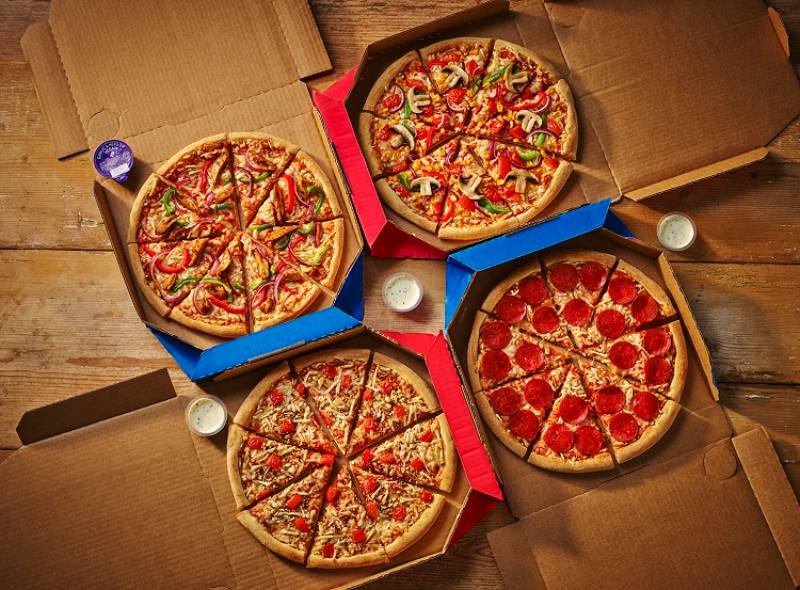
There are only some food items that are as popular and widespread as a pizza. While the standard flatbrad delicacy hails from Naples, Italy, it is safe to assume that almost every nation has its own unique version of pizzas to try out. For instance, in India, you can try out unique flavours available at Dominos to magnify your experience.
One of the easiest ways to bring about variations to any pizza flavour is by changing the toppings. Thankfully, leading pizza chains like Dominos, come forth with an array of delicious pizza toppings to make your day. Let us discuss the same.
Best Pizza Topings for Your Delicious Meal
Pizza enthusiasts might consider sticking to the standard cheese or pepperoni pizza flavours. However, there are different pizza toppings you must try out. While it all comes down to personal taste preferences, if you wish to spruce up your pizza game, you should know about the different pizza toppings you should have.
Broccoli
Broccoli, on its own, is a delicious vegetable. However, when you use this veggie as a pizza topping, it only magnifies in the overall flavour. There is nothing redeemable about using broccoli as a pizza topping. It might taste quite bland, the texture might be odd, and it could be soggy sometimes. However, when toasted to perfection, broccoli on your pizza tastes divine.
Pepperoni
There can be no pizza more iconic than the all-time famous pepperoni pizza. Around the globe, the salty pork topping has garnered itself quite a reputation as a leading pizza topping.
Pepperoni is a sought-after pizza topping due to specific reasons. For one, it is quite salty, delicious, and spicy to boost your experience. Secondly, the ingredient bakes to perfection on the pizza slice, indulging effortlessly with the molten cheese top. To top it all, this pizza profile appears appealing from all angles.
Pineapple
While it is quite debatable, stil pineapple serves to be one of the popular choices for pizza toppings. It is one of the few sweet options available out there. As you order a classic cheese pizza, it is going to be salty, rich, or savoury. However, it is never going to be sweet.
This is where the mildly sweet and juicy flavours of pineapple toppings come into play. Delivering just the perfect blend of sweetness and acidity, pineapples on top of your pizza are a match made in heaven.
Jalapenos
When compared with bell peppers, jalapenos are rich when it comes to the overall flavour profile. The splendid beauty of jalapenos, particularly when associated with a pizza, lies in the fact that you can relish freshly-sliced or even picked peppers in this case. Both flavours are immensely delicious.
Fresh jalapenos go ahead with offering ample heat and brightness to any pizza. On the other hand, jarred or pickled jalapenos will impart a softer bite. If you are fond of spices, you will love all variations of pizzas made with jalapeno toppings.
Black Olives
Amazingly buttery and super salty, black olives are one of the most sought-after canned ingredients you will find on most pizza toppings. The rich combination of black olives and cheese on a pizza top is definitely a winning one. Even those who might not be too fond of olives will still fall behind the rich flavour profile.
Black olives also serve to be amazing textural toppings. These ingredients blend perfectly with cheese and do not become too mushy or soggy. To top it all, they taste great with other pizza toppings while tasting divine on their own as well.
Honey
Dropping honey on top of your pizza might appear something new, but it’s defintiely worth the hype. Whether you relish simple honey or you like hot honey, this secret ingredient delivers a highly welcoming sweetness to any pizza. At the same time, honey, as a pizza topping, also provides much relief from all the savouriness.
While honey turns out to be more of a garnishing or drizzle than a standalone ingredient, we still feel that it deserves a name in this list. Even with other delicious toppings on your pizza, honey will add mre beautiful complexity to your delicacy while doing away with the boring flavours.
Pickles
The mere thought of placing cucumber slices on your pizza might not excite that much. We do not recommend the same. However, what about pickles? Pickles definitely turn out to be a completely different story. We would indeed recommend loading your pie with these tangy, delicious slices.
Classic pickles impart a vinegary flavour that works heavenly with cheese. They also deliver the right amount of crunch. Pickles are a great pizza topping for different types of pies.
Onions
Ordering a Dominos pizza from Swiggy? Chances are you might be intrigued to order the pizza with the classic onion and cheese toppings as they are immensely delicious. Whether you choose diced or sliced onions as the pizza toppings, they bring about something welcoming to any pizza slice.
Onions tend to be versatile ingredients in almost all forms of cooking across all variants of cuisines. Therefore, it is no surprise that they make up for a great pizza topping. Moreover, you cannot go wrong with the type of onion you choose for your pizza – white, yellow, green, or red onions. Delivering just the right amount of sharpness, umami, and tanginess, onions complement a classic cheese pizza without overpowering its innate flavour.
Conclusion
The world of pizza toppings is as diverse as the cultures that have embraced it. From classic combinations like pepperoni and mushrooms, there’s a pizza topping out there to satisfy every palate. The best pizza topping is ultimately a matter of personal preference, as regional influences and culinary traditions have shaped unique and delicious pizza experiences around the globe.
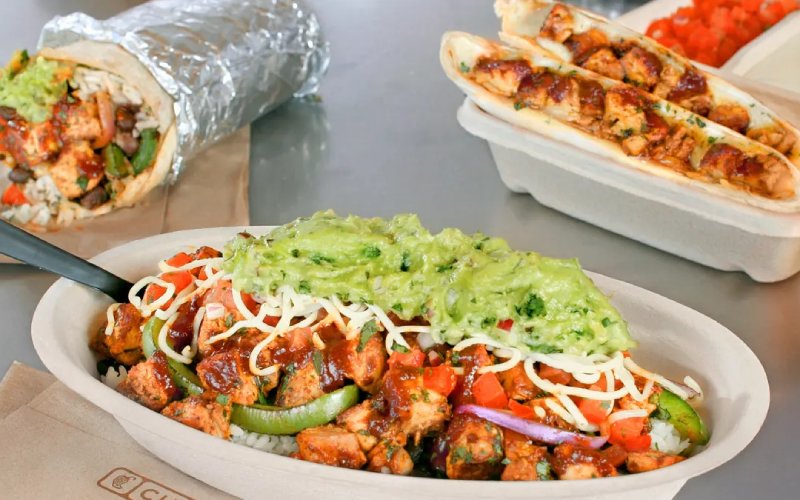
Whether you want to eat a burrito bowl for lunch, a quick tacos break after work, or simply want to order something through their app for dinner, knowing Chipotle’s business hours will help you avoid long waits and returning due to unexpected closures. Generally, Chipotle restaurants follow a standard schedule. Still, their opening and closing timings can differ based on locations, holidays, and whether the restaurant is associated with a mall, airport, or university. In today’s article, we will discuss Chipotle’s operating hours, the time when the restaurant is busiest, holiday schedules, and practical tips to enhance your dining experience.
Also Read :
What Are Chipotle’s Typical Hours?
Usually, Chipotle locations operate during the following hours:
Opening: 10:30 AM
Closing: 10:00 PM
These are the most common hours followed across many locations, but the specific details may differ due to various factors.
Do All Chipotle Locations Have the Same Hours?
No. Operating hours are not the same for all Chipotle locations; they are mainly set after considering:
Local regulations
Shopping center hours
Airport locations
College campuses
Staffing needs
That’s why it is always a good idea to check your specific restaurant’s hours before visiting.
Best Time to Visit Chipotle
Less Busy Times
It is better to visit at these timings:
Mid-morning (shortly after opening)
Mid-afternoon (between lunch and dinner)
Late evening before closing
Generally, these periods are less occupied and provide a shorter wait time experience.
Peak Hours
During these hours, Chipotle restaurants are generally the busiest:
Lunch (around 12:00 PM–1:30 PM)
Dinner (around 6:00 PM–8:00 PM)
Does Chipotle Serve Lunch and Dinner All Day?
Yes. Chipotle serves its regular menu all day; there is no time limit. Here, customers can order:
Burritos
Burrito bowls
Tacos
Salads
Quesadillas (through eligible ordering methods)
Lifestyle bowls
However, you should check the ingredients carefully to understand whether you should eat it or not.
Holiday Hours
Generally, Chipotle restaurants remain open on major holidays. However, you may experience a short operating cycle on these days.
Some locations may:
Open later
Close earlier
Remain closed on certain major holidays
Ordering Ahead
Ordering before reaching a restaurant is an effective way to save time. Several customers use:
Mobile app ordering
Online ordering
Pickup
Delivery (where available)
This practice saves a lot of time for them.
What Is a Chipotlane?
Chipotlane is a new concept that is available in many newer Chipotle restaurants. It is specifically designed for customers placing digital orders in advance. Instead of wasting time in lines, customers simply pick up their prepaid order through a dedicated lane.
Tips for a Better Chipotle Visit
To make your visit smoother:
Check your local restaurant’s hours before leaving.
Order ahead during peak meal times.
Visit outside lunch and dinner rushes when possible.
Double-check holiday schedules.
Use a Chipotlane if your location offers one.
You should plan things in advance, as it can save you time waiting and more time enjoying your meal.
Why Hours May Change
Operating hours of a restaurant can change because of reasons like:
Local events
Severe weather
Staffing shortages
Store renovations
Holiday schedules
Frequently Asked Questions (FAQs)
What Time Does Chipotle Usually Open?
The general opening time of Chipotle restaurants is 10:30 AM.
What Time Does Chipotle Usually Close?
Most locations close at 10:00 PM. However, most likely you will get different timings at restaurants situated in airports, malls, or campuses.
How Can I Check My Local Chipotle’s Hours?
The easiest and most accurate way is to check through their official channels, like their website and mobile apps.
Conclusion
If you enjoy visiting Chipotle for dining and takeaways, understanding their operational hours will save you time and help you wait less to enjoy your food. In this article, we discussed their timing in detail, shared common timing, ways to get the specific details, and things to remember. In the end, we hope that you like reading this post and find it informative. If so, then do share this post with others as well.
Most home cooks reach for fresh vegetables when they want flavor. But halfway through the week, that bunch of celery has turned translucent, the tomatoes have softened into mush, and suddenly seasoning your dinner feels like a negotiation with what’s still salvageable in the crisper drawer. There’s a better path: vegetable powders concentrate flavor without the spoilage problem, and they work differently than fresh produce in ways that actually expand what you can do in the kitchen. When you understand vegetable powder blends, you stop cooking around what’s wilting and start building dishes layer by layer.
Key Takeaways
- Vegetable powders are shelf-stable flavor concentrates that deliver umami, sweetness, and depth without the waste of fresh produce
- They work best when layered into dishes at multiple stages, not just sprinkled on top as a finishing garnish
- Professional kitchens use them to maintain consistency across high-volume service; home cooks can steal that reliability
- Different vegetable powders have distinct flavor profiles: tomato brings acidity, beet brings earthiness, garlic brings punch
Why It Matters
Fresh produce is seasonal. Your local market closes at six. Your work schedule is unpredictable. By the time you’re ready to cook, those ingredients have already spent two days in transit and three days in your fridge. Vegetable powders solve that friction without sacrificing flavor or requiring you to learn a whole new cooking language.
The real leverage is this: vegetable powders are not a substitute for fresh vegetables in salads or raw applications. Instead, they’re a tool for building flavor depth in sauces, rubs, broths, and slow-cooked dishes where you want concentrated umami and sweetness. A professional kitchen uses them because consistency matters when you’re feeding a hundred people a night. A home cook should use them because they stay fresh for months and because one small jar of carrot powder or onion powder does what a whole bag of fresh produce can’t do just as well.
What Vegetable Powders Actually Are
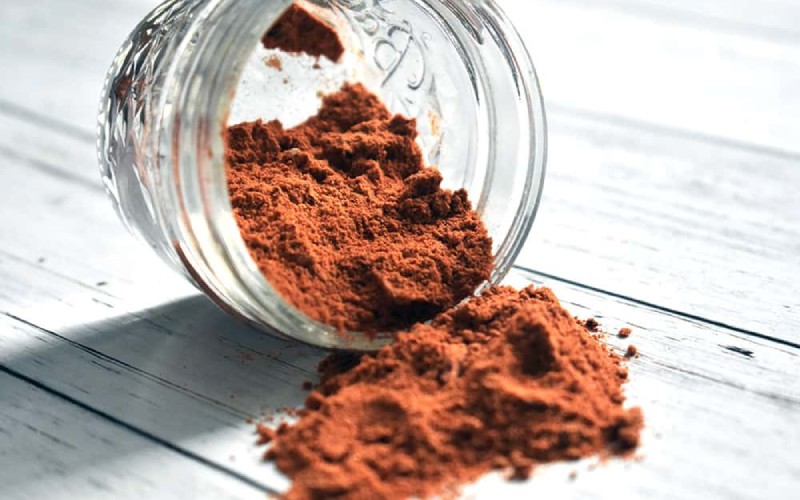
Vegetable powders are freeze-dried or dehydrated vegetables that have been ground into a fine powder. The water content is removed, which concentrates the flavor compounds and extends shelf life dramatically. This matters because it means you’re not just storing a dried vegetable; you’re storing a flavor amplifier.
When vegetables are dehydrated, the cell structure collapses. That collapse concentrates sugars, releases more volatile aromatics, and intensifies umami compounds like glutamates. A teaspoon of tomato powder delivers more tomato intensity than a fresh tomato would in the same volume, because you’re getting pure flavor without the water weight.
Different vegetables behave differently when dehydrated. Garlic becomes almost aggressively savory. Onion powders range from sweet to sulfurous depending on the variety. Beet powder carries earthy notes and natural sweetness. Carrot powder is bright and almost candy-like. Tomato powder is intensely acidic and umami-forward. Understanding those flavor signatures is the first step to using them intentionally.
When and Where They Belong
Vegetable powders shine in dishes where you want flavor but not texture. A brisket rub benefits enormously from garlic powder and onion powder because those aromatics caramelize into the bark and create crust depth that fresh garlic simply cannot. A beef broth gains incredible body from tomato powder stirred in during the final fifteen minutes of simmering. A breakfast scramble gets its savory backbone from a whisper of vegetable powder layered in before the eggs even hit the pan.
They work poorly in cold applications where you want visible flecks of color or where the powder texture would be obvious. A salad dressing that calls for fresh garlic should get fresh garlic. A ceviche needs the juice and texture of real lime and citrus. But a slow-roasted carrot dish? A long-simmered chili? A dry rub for grilled chicken? Vegetable powders become indispensable.
Pro tip: Layer vegetable powders at multiple stages rather than adding them all at once. Sprinkle a small amount into your spice rub before searing. Toast some in the pan after the meat comes out. Stir a bit into your finishing sauce. Each layer builds depth without the powder flavor becoming one-dimensional or overwhelming.
The Layering Strategy
Professional cooks use vegetable powders the same way they use salt: at the beginning, the middle, and sometimes the end of cooking. This prevents the flat, dusty flavor you get when you add everything at once.
Start with your base. If you’re making a braise, dust your meat with a powder before searing. That powder will caramelize and become part of the crust. Next, add powders to your aromatics as they sweat. A small amount of onion powder or garlic powder, combined with fresh alliums, builds a more complex aromatics layer. Finally, consider finishing additions. A pinch of tomato powder stirred into a finished sauce in the last minute brightens without making it taste artificial.
This approach works because vegetable powders are concentrated, so small amounts go a long way. A quarter teaspoon can shift an entire pot of liquid. A teaspoon can build the backbone of a rub. A tablespoon should be the maximum for any single application unless you’re working with a large batch.
Building a Vegetable Powder Pantry
You don’t need every powder to exist. Start with three: garlic, onion, and tomato. These handle most of what home cooking requires. Garlic powder and onion powder are the workhorse seasonings that show up in nearly every savory application. Tomato powder is your umami anchor for braises, soups, and sauces.
Once you’re comfortable, expand into beet powder for earthy applications like root vegetable preparations or beef stocks. Add carrot powder for brighten and sweetness in glazes or finishing touches. Mushroom powder (technically a fungal powder, but it works the same way) becomes invaluable for building savory depth in vegetarian dishes or stocks.
The advantage of building slowly is that you learn how each powder behaves before you’re juggling five at once. You develop a feel for the intensity. You understand which powders play well together and which ones create murky flavors when combined.
A Practical Example: The Three-Stage Beef Stew
Here’s how layering actually works in practice. You’re making a beef stew on a Wednesday night after work.
First stage: cut your beef into chunks and toss with salt, pepper, and a powder blend of garlic and tomato. Sear until brown. Those powders caramelize onto the meat and create a savory crust.
Second stage: sauté your onions and carrots. When they’re soft, dust them with a tiny pinch of garlic powder and a quarter teaspoon of tomato powder. Stir for thirty seconds so the powder toasts in the pan. This prevents the raw, dusty flavor.
Third stage: add your stock and bring to a simmer. Let it cook low and slow for two hours. In the last ten minutes, taste and adjust. If you want more umami, stir in another quarter teaspoon of tomato powder. If you want more savory depth, a pinch of garlic powder. You’re not guessing; you’re tasting and responding.
The result is a stew that tastes like it simmered all day, not like something rushed together at six p.m. The vegetable powders built depth at each stage rather than creating one flat layer of flavor.
Why Consistency Matters for Home Cooks
The real reason professional kitchens use vegetable powders is consistency. When you’re feeding fifty people the same dish every night, fresh ingredients introduce variability. One batch of tomatoes is sweeter than last week’s. Onions vary in intensity. Garlic fluctuates in pungency. A professional kitchen can’t have their signature sauce taste slightly different every service.
Home cooks benefit from the same principle. You can make a beef chili this week and next month, and it tastes the same. You don’t have to adjust for the variability of what the grocery store had available. You’re not negotiating with seasonal availability or shopping around a budget constraint. You reach for the same jar and you know exactly what you’re getting.
Actionable Takeaways
- Buy one vegetable powder this week. Start with garlic or onion. Use it in a rub for roasted chicken or stirred into beef broth. Notice how the flavor builds compared to what you normally do.
- Layer instead of loading. The next time you’re making a slow-cooked dish, add your powder at the beginning and then again at the end. Taste the difference between the two applications.
- Keep it small. A quarter teaspoon is your baseline. Add more only after tasting. Vegetable powders are concentrated enough that overuse creates a dusty, unpleasant flavor.
- Store in airtight containers. Vegetable powders stay fresher longer in glass jars away from light and heat. Properly stored, they’ll last six to twelve months.
Conclusion
Vegetable powders are not shortcuts or substitutes. They’re tools that expand what you can cook and how consistently you can cook it. They solve the real problem that derails home cooking: having fresh ingredients on hand when you’re ready to cook them. By keeping a small stock of powders in your pantry, you’re not sacrificing flavor or quality. You’re gaining flexibility, consistency, and the ability to build flavor depth the way professional kitchens do.
Start small, taste as you go, and layer instead of loading. That approach works whether you’re cooking for yourself or for a table of eight.
FAQ
Can vegetable powders replace fresh vegetables in cooking?
Vegetable powders excel in applications where you want concentrated flavor without fresh produce texture or water content. In slow-cooked dishes, rubs, sauces, and broths, they often outperform fresh vegetables because they caramelize better and build more umami. However, in salads, raw applications, or dishes where you want the texture of fresh vegetables, they are not a replacement. Use them as a complementary tool, not a substitute for fresh produce in every context.
How much vegetable powder should I use in a dish?
Start with a quarter teaspoon and taste. Most dishes need no more than a teaspoon of vegetable powder total, and adding it at multiple stages prevents the flavor from becoming one-dimensional or dusty. The general rule is that vegetable powders are concentrated, so less is more. It’s easier to add more than to recover from overseasoning.
Do vegetable powders have a shelf life?
When stored in airtight containers away from light, heat, and humidity, most vegetable powders last six to twelve months. Some varieties, particularly garlic and onion powders, can last longer. Over time, they lose volatility and intensity, so older powders may require slightly larger quantities to achieve the same flavor impact. Store them like you would store dried herbs: in a cool, dark place.
What’s the difference between vegetable powder and vegetable flakes?
Vegetable powder is ground very fine, creating a powder texture that blends seamlessly into dishes and caramelizes when heated. Vegetable flakes are larger pieces that maintain some texture and visibility in a dish. Use powder for rubs, sauces, and applications where you want flavor without visible pieces. Use flakes when you want some texture or when the application is bold enough to hide the flakes.
Can I use vegetable powders in cold applications like dressings or dips?
Vegetable powders work in cold applications but taste different than in hot dishes because the flavor compounds don’t activate through caramelization. In a cold vinaigrette or dip, vegetable powder can taste slightly raw or dusty compared to fresh vegetables or fresh-vegetable infusions. For cold applications, fresh ingredients typically deliver better results. Reserve vegetable powders for hot applications where heat develops their full flavor potential.
How do vegetable powders compare to buying fresh produce year-round?
Fresh produce has advantages in texture, visual appeal, and certain nutrient profiles. Vegetable powders have advantages in shelf stability, consistency, waste reduction, and flavor concentration. Neither is universally better. The best cooking uses both: fresh produce where texture and appearance matter, vegetable powders where flavor depth and consistency are priorities. Together, they give you more flexibility and reliability than either option alone.
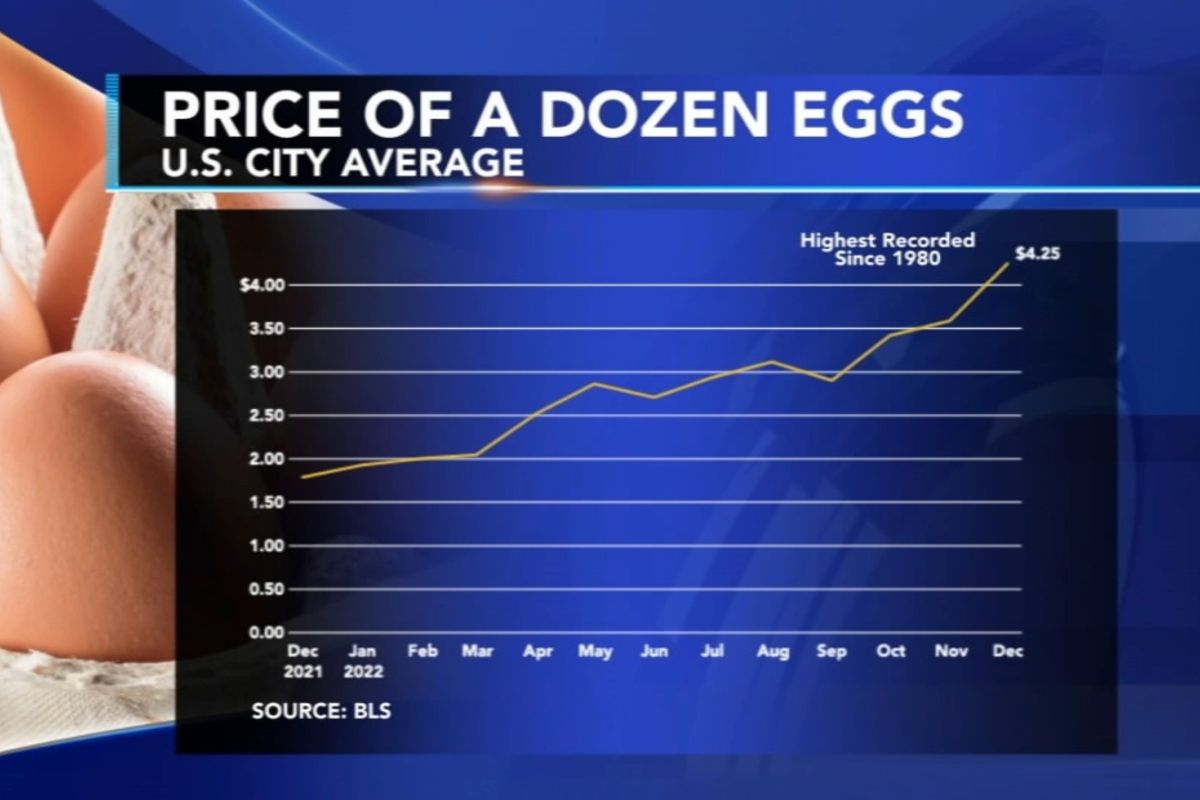
If you are worried about the high egg prices, then you are not alone, many of us were hoping to lighten up our grocery bills in 2025, but the consistently increasing egg prices and stubbornly maintaining it on the high note for a long time has shaken everyone’s grocery budget, especially in United States, but have you ever wondered why it is happening? Let’s discuss its reason and other details related to it.
Also Read :Portland Birthday Freebies: Where to Score Free Stuff on Your Big Day
The Bird Flu Crisis: What Happened?
Avian influenza, or bird flu, is a highly contagious virus that primarily affects chickens used for egg production. It spreads wildly because most farmers keep their chickens in a crowded place, which multiplies the chances of bird flu amongst chickens. Over the past two years, things have become worse, and the United States is going through one of the worst outbreaks of the bird flu in decades.
It is becoming the reason for:
- Mass culling of infected flocks
- Reduced supply of eggs across the country
- Disrupted production timelines and farm closures
As per the reports of the USDA, “tens of millions of egg-laying hens” have been lost due to bird flu culls since 2022. Now, we can imagine the egg shortage volume in the United States.
Why Haven’t Prices Come Down?
The egg prices are on the high note, because of several reasons, and the primary ones are as follows:
Slow Recovery of Hens
It takes time to raise a hen and make it ready for producing eggs, as per estimates, generally 4-6 month period is required to bring them into an ideal condition of giving egg.
Ongoing Outbreaks
Bird flu is still a problem; it is not gone, and making things more complicated for farmers to recover from it.
Other Reasons
- High transportation cost and inflation is also a significant problem, contributing to the high egg prices
- Due to bird flu, many small egg producers have stopped their work, which means fewer suppliers and higher prices.
Will Egg Prices Drop Anytime Soon?
Well! We have seen some relief as compared to 2023, but the prices will remain on the higher side for a longer time; we can’t expect them to come down to the pre-pandemic level soon. We have to wait for a longer time, unless bird flu is completely gone and production returns to normal.
Frequently Asked Questions (FAQs)
Why Is Bird Flu Such A Big Problem For Egg Prices?
Bird flu is directly connected with the death of millions of hens, which significantly impacted the egg supply, hence increasing the egg prices.
Are Eggs Safe To Eat During Bird Flu Outbreaks?
Yes, eggs are safe to eat during bird flu, but they should be properly boiled or cooked; you shouldn’t consume raw eggs, especially during bird flu outbreaks.
How Long Does It Take To Rebuild A Flock?
Generally, a 4-6 month time period is required to rebuild a flock; it can take more time if hens are severely infected.
Conclusion
Eggs are an important part of the majority of households in the United States, increase in egg prices are making our grocery bills high and it is directly linked to the bird flu. In this section, we discussed this topic in detail and also shared other primary reasons contributing to the high prices of eggs. We hope that you like reading this post and found it informative, if so, then do share it with others as well.


How Developers Can Use Guest Posts to Build Their Professional Presence

Kinky Cubes Review: Are These Couples Gummies Worth Considering?

Staying Updated on the Latest Game Releases and Industry News

Best Kickass Proxy List 2024 – 100% Working to Unblock to Access

Banging The Underdog Incident 2022

TamilRockers Proxy 2025: 20+ Working Links, Mirror Sites & VPN Guide
-
Entertainment2 years ago
Best Kickass Proxy List 2024 – 100% Working to Unblock to Access
-
 Lifestyle2 years ago
Banging The Underdog Incident 2022
-
Entertainment2 years ago
TamilRockers Proxy 2025: 20+ Working Links, Mirror Sites & VPN Guide
-

 Fashion2 years ago
Trendy Midi Dresses for Casual Wear: Hair Care Tips Included!
-
 Entertainment2 years ago
TamilMV Proxy Sites List 2025 – How to Unblock TamilMV Safely?
-

 Piano2 years ago
How Online Piano Lessons Can Enhance Your Musical Skills?
-
 Entertainment2 years ago
Pirate Bay Proxy List 2025: Access The Pirate Bay Safely
-

 Technology2 years ago
SSIS 469 – Detailed Guide to Understand The Features and Benefits