
Food
Innovations in African Cuisine

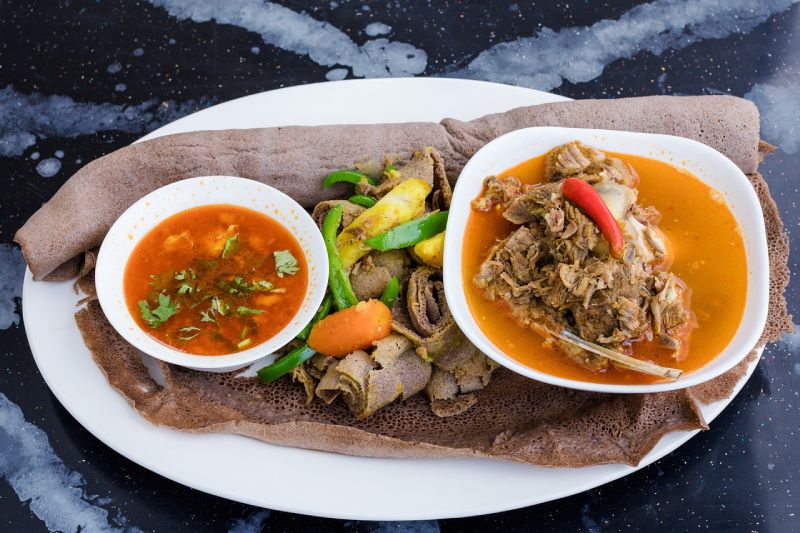
African cuisine is experiencing a vibrant renaissance, marked by a surge of interest in its diverse flavors, rich cultural heritage, and innovative approaches to traditional dishes. As the world becomes more interconnected, culinary enthusiasts are increasingly drawn to the unique and varied offerings from the African continent. This article delves into the innovations shaping African cuisine today, highlighting its potential to influence global dining trends and capture the palates of food lovers everywhere
African cuisine is not monolithic; it is a rich tapestry woven from a myriad of cultural influences, regional ingredients, and historical narratives. Each region boasts its own distinct flavors and cooking techniques, reflecting the continent’s vast geography and cultural heritage. This website proposes a wide range of games to try your luck.
Regional Flavor Profiles
- North Africa: Known for its aromatic spices and rich use of ingredients like lamb, seafood, and grains, North African cuisine often features dishes like tagines and couscous. The historical interactions with Mediterranean and Middle Eastern cultures have significantly shaped its culinary landscape.
- West Africa: This region is celebrated for its hearty dishes that prominently feature starches such as yam, cassava, and rice. Staples like jollof rice and fufu are often accompanied by flavorful stews, showcasing the use of vibrant spices and ingredients.
- East Africa: The culinary practices here vary between inland and coastal regions. Inland diets are typically meat-heavy, while coastal areas incorporate a variety of spices and seafood, with dishes like injera taking center stage in Ethiopian cuisine.
- Southern Africa: Often referred to as “rainbow cuisine,” Southern Africa blends indigenous cooking with European and Asian influences. Dishes like potjiekos and braai reflect the region’s complex cultural history.
Cultural Significance of Food
Food in Africa goes beyond simple nourishment; it plays a pivotal role in social gatherings, celebrations, and cultural identity. The preparation and sharing of meals are integral to communal practices, fostering strong bonds among family and friends. This article highlights how this cultural importance fuels the growing global interest in African cuisine, with many seeking authentic dining experiences that share a rich story.
The Influence of the African Diaspora
The African diaspora has played a pivotal role in shaping global cuisine, introducing ingredients, cooking techniques, and flavors that have become staples in many regions.
Culinary Cross-Pollination
Through centuries of trade and migration, African culinary traditions have mingled with those of other cultures, resulting in unique hybrid cuisines. For example, the Caribbean’s creole dishes and Southern soul food reflect a blend of African, indigenous, and European influences, showcasing how African flavors can be adapted and celebrated in diverse culinary contexts.
Celebrating Heritage Through Food
The resurgence of interest in African cuisine is also tied to a growing movement among chefs of African descent to celebrate their heritage. These culinary pioneers are not only preserving traditional recipes but are also reinterpreting them for modern palates, creating a dynamic dialogue between the past and present.
Culinary Innovations and Trends
The culinary landscape is constantly evolving, and African cuisine is no exception. Innovative chefs are pushing boundaries, experimenting with ingredients and techniques to create exciting new dishes.
Afro-Fusion Concepts
The rise of Afro-fusion restaurants is a testament to the growing popularity of African flavors. These establishments often blend traditional African dishes with global culinary influences, resulting in unique offerings that cater to adventurous eaters. For example, a West African-inspired taco might feature spicy jollof rice and grilled plantains, showcasing the versatility of African ingredients.
Health-Conscious Options
As more diners seek healthier options, African cuisine’s emphasis on whole foods and plant-based ingredients positions it well within this trend. Dishes that incorporate superfoods like fonio, a nutritious ancient grain, are gaining traction among health-conscious consumers looking for flavorful yet wholesome meals.
The Role of Technology in Culinary Innovation
Technology is revolutionizing the way we approach cooking and dining, and African cuisine is benefiting from these advancements.
Digital Platforms for Culinary Exploration
Social media and food blogs have become powerful platforms for sharing African culinary traditions and innovations. Chefs and home cooks alike are using these tools to showcase their creations, connect with a global audience, and inspire others to explore African flavors.
Online Cooking Classes and Resources
The rise of online cooking classes has made it easier for individuals to learn about African cuisine from the comfort of their homes. These classes often focus on traditional techniques and recipes, allowing participants to gain a deeper understanding of the cultural significance behind each dish.
Addressing Challenges in Ingredient Sourcing
Despite the growing interest in African cuisine, challenges remain in sourcing authentic ingredients, particularly for chefs and home cooks outside the continent.
Logistical Hurdles
Many African ingredients are not readily available in international markets, leading chefs to seek alternatives or adapt recipes. This challenge highlights the importance of building supply chains that can efficiently deliver authentic ingredients to global consumers.
Promoting Local Producers
Efforts to promote local African producers and farmers can help bridge the gap in ingredient sourcing. By supporting sustainable farming practices and fair trade initiatives, the culinary community can ensure that authentic African ingredients are accessible to those eager to explore this vibrant cuisine.
The Future of African Cuisine
As African cuisine continues to gain momentum on the global stage, its future looks bright.
Predictions for Growth
Industry experts predict that the popularity of African cuisine will continue to rise, with more restaurants featuring African-inspired dishes on their menus. This trend is particularly evident among younger consumers, who are eager to explore diverse culinary experiences.
Embracing Sustainability
Sustainability will play a key role in shaping the future of African cuisine. By prioritizing local, seasonal ingredients and sustainable practices, chefs can create dishes that not only taste good but also contribute positively to the environment.
Conclusion: A Culinary Journey Awaits
The innovations in African cuisine are not just about food; they represent a celebration of culture, history, and community. As more people discover the rich flavors and diverse offerings from the African continent, the culinary landscape will continue to evolve, creating exciting opportunities for chefs, diners, and food enthusiasts alike.
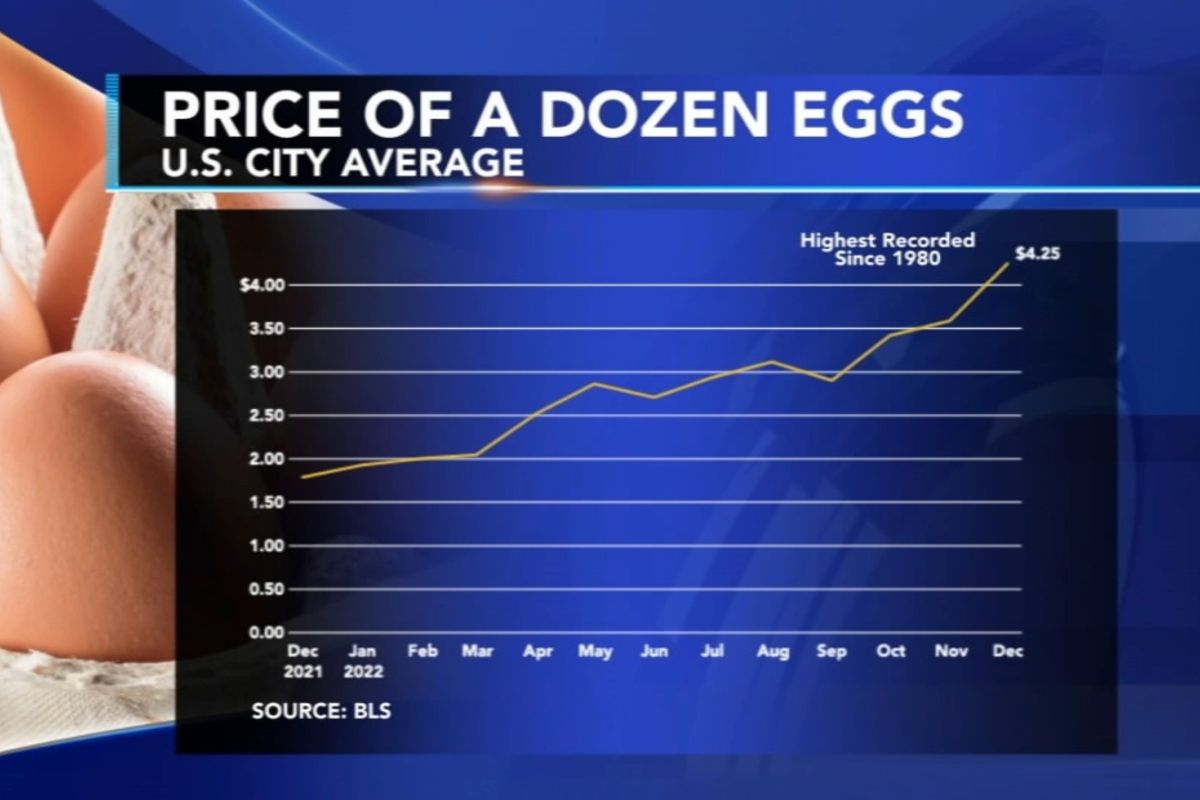
If you are worried about the high egg prices, then you are not alone, many of us were hoping to lighten up our grocery bills in 2025, but the consistently increasing egg prices and stubbornly maintaining it on the high note for a long time has shaken everyone’s grocery budget, especially in United States, but have you ever wondered why it is happening? Let’s discuss its reason and other details related to it.
Also Read :Portland Birthday Freebies: Where to Score Free Stuff on Your Big Day
The Bird Flu Crisis: What Happened?
Avian influenza, or bird flu, is a highly contagious virus that primarily affects chickens used for egg production. It spreads wildly because most farmers keep their chickens in a crowded place, which multiplies the chances of bird flu amongst chickens. Over the past two years, things have become worse, and the United States is going through one of the worst outbreaks of the bird flu in decades.
It is becoming the reason for:
- Mass culling of infected flocks
- Reduced supply of eggs across the country
- Disrupted production timelines and farm closures
As per the reports of the USDA, “tens of millions of egg-laying hens” have been lost due to bird flu culls since 2022. Now, we can imagine the egg shortage volume in the United States.
Why Haven’t Prices Come Down?
The egg prices are on the high note, because of several reasons, and the primary ones are as follows:
Slow Recovery of Hens
It takes time to raise a hen and make it ready for producing eggs, as per estimates, generally 4-6 month period is required to bring them into an ideal condition of giving egg.
Ongoing Outbreaks
Bird flu is still a problem; it is not gone, and making things more complicated for farmers to recover from it.
Other Reasons
- High transportation cost and inflation is also a significant problem, contributing to the high egg prices
- Due to bird flu, many small egg producers have stopped their work, which means fewer suppliers and higher prices.
Will Egg Prices Drop Anytime Soon?
Well! We have seen some relief as compared to 2023, but the prices will remain on the higher side for a longer time; we can’t expect them to come down to the pre-pandemic level soon. We have to wait for a longer time, unless bird flu is completely gone and production returns to normal.
Frequently Asked Questions (FAQs)
Why Is Bird Flu Such A Big Problem For Egg Prices?
Bird flu is directly connected with the death of millions of hens, which significantly impacted the egg supply, hence increasing the egg prices.
Are Eggs Safe To Eat During Bird Flu Outbreaks?
Yes, eggs are safe to eat during bird flu, but they should be properly boiled or cooked; you shouldn’t consume raw eggs, especially during bird flu outbreaks.
How Long Does It Take To Rebuild A Flock?
Generally, a 4-6 month time period is required to rebuild a flock; it can take more time if hens are severely infected.
Conclusion
Eggs are an important part of the majority of households in the United States, increase in egg prices are making our grocery bills high and it is directly linked to the bird flu. In this section, we discussed this topic in detail and also shared other primary reasons contributing to the high prices of eggs. We hope that you like reading this post and found it informative, if so, then do share it with others as well.
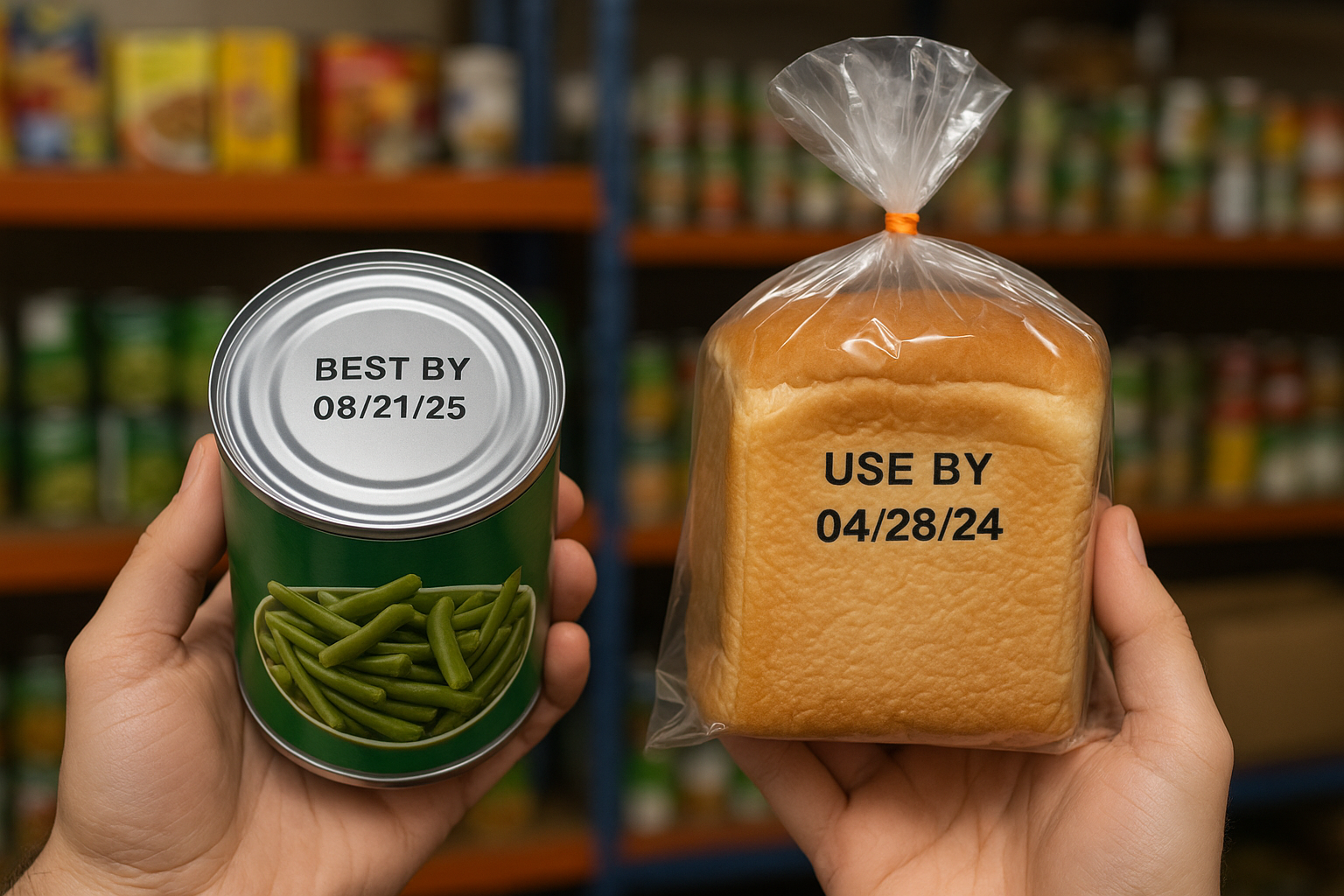
When you are donating, there are several things to take care of, especially when it is related to donating food items, as we are giving it to poor and homeless people, who are in extreme need of food. Still, we should also consider giving them decent quality food, at least that provides them with nutrients and does not damage their health. On food packets, multiple dates are written, such as Manufacturing Date, Expiry Date, Best By, and Use By date. The former two dates are precise in their meanings, but people often become confused with Best By and Use By dates.
So, in this article, we will understand the difference between “Best By” and “Use By” dates, which will help you ensure the food you are donating is safe to consume and beneficial for the needy people.
Also Read :Ultimate Family Fun in Portland: 101 Things to Do with Kids
What Does “Best By” Mean?
“Best By”, as the name suggests, is related to the quality of the food item, it is not a safety warning, rather it is a suggestion for consuming the food within the specified timeline for the best results.
What Does “Use By” Mean?
“Use By” is similar to expiry date, it reflects the timeline in which the food item should be consumed, and beyond that, it wouldn’t be safe to consume. It is about safety and Use By date should be checked carefully before consuming any food item.
Difference Between “Best By” and ‘Use By”
They both serve different purposes, the term Best By denotes the ideal timeline to consume the food item, it is not related to safety, rather it denotes the best time to consume a food item for the maximum benefit.
On the other hand, the term Use By is for safety purposes; after that timeline, it is recommended to consume them with that timeline to avoid health issues.
Tips Before Donating
In this section, we are mentioning some useful tips to follow before donating food items, follow them for an ideal food donation experience.
Check the Packet Thoroughly
The food packet should be clean, rust free, and there shouldn’t be any leaks or dent on it.
Group Item By Type
Group the same type of items together; don’t mix two different types of food packets, such as milk and curd.
Check the Rules And Regulations Related To Donation
Donation rules vary from region to region; it is always recommended to check them precisely to avoid any legal trouble.
Conclusion
Donating food is a noble act, and everyone should do it. However, it is important to check all things properly, such as Best By, Use By, Expiry Date, and more, to make your donation worthwhile for the needy ones. In this article, we explain the difference between Best By and Use By dates. We hope that you like reading this post and found it informative. If so, then do share this post with others as well.
Frequently Asked Questions (FAQs)
Can I Donate Canned Goods That Are A Year Past Their “Best By” Date?
Yes, you can donate food items past their Best By dates, but they should be in good condition and within the expiry date.
What Food Should Never Be Donated Past Its Date?
Any food item with a past Use By date should never be donated.
Do All Food Banks Have The Same Rules?
No, rules in food banks vastly differ based on local regulations and their purpose.
Are “Sell By” Dates The Same As Expiry Dates?
No, Sell By date is not related to expiry date, it is for store stock rotation and does not indicate spoilage.
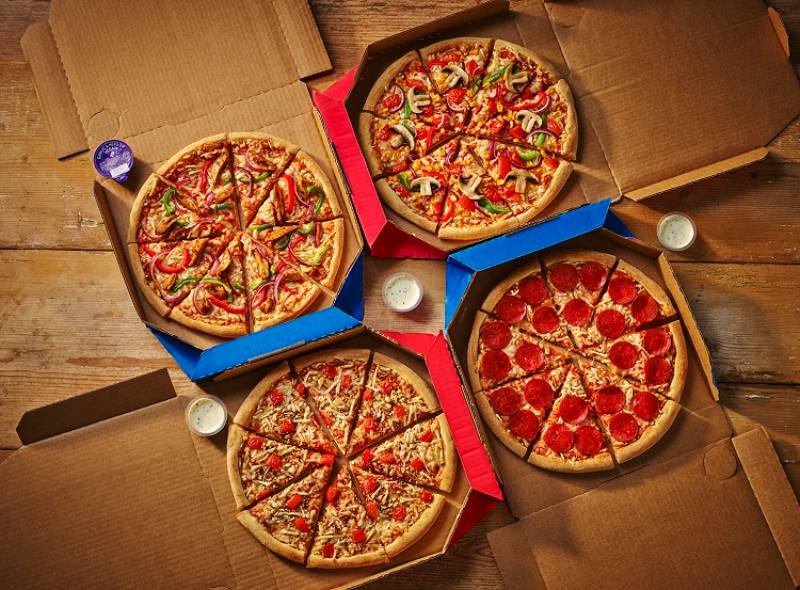
There are only some food items that are as popular and widespread as a pizza. While the standard flatbrad delicacy hails from Naples, Italy, it is safe to assume that almost every nation has its own unique version of pizzas to try out. For instance, in India, you can try out unique flavours available at Dominos to magnify your experience.
One of the easiest ways to bring about variations to any pizza flavour is by changing the toppings. Thankfully, leading pizza chains like Dominos, come forth with an array of delicious pizza toppings to make your day. Let us discuss the same.
Best Pizza Topings for Your Delicious Meal
Pizza enthusiasts might consider sticking to the standard cheese or pepperoni pizza flavours. However, there are different pizza toppings you must try out. While it all comes down to personal taste preferences, if you wish to spruce up your pizza game, you should know about the different pizza toppings you should have.
Broccoli
Broccoli, on its own, is a delicious vegetable. However, when you use this veggie as a pizza topping, it only magnifies in the overall flavour. There is nothing redeemable about using broccoli as a pizza topping. It might taste quite bland, the texture might be odd, and it could be soggy sometimes. However, when toasted to perfection, broccoli on your pizza tastes divine.
Pepperoni
There can be no pizza more iconic than the all-time famous pepperoni pizza. Around the globe, the salty pork topping has garnered itself quite a reputation as a leading pizza topping.
Pepperoni is a sought-after pizza topping due to specific reasons. For one, it is quite salty, delicious, and spicy to boost your experience. Secondly, the ingredient bakes to perfection on the pizza slice, indulging effortlessly with the molten cheese top. To top it all, this pizza profile appears appealing from all angles.
Pineapple
While it is quite debatable, stil pineapple serves to be one of the popular choices for pizza toppings. It is one of the few sweet options available out there. As you order a classic cheese pizza, it is going to be salty, rich, or savoury. However, it is never going to be sweet.
This is where the mildly sweet and juicy flavours of pineapple toppings come into play. Delivering just the perfect blend of sweetness and acidity, pineapples on top of your pizza are a match made in heaven.
Jalapenos
When compared with bell peppers, jalapenos are rich when it comes to the overall flavour profile. The splendid beauty of jalapenos, particularly when associated with a pizza, lies in the fact that you can relish freshly-sliced or even picked peppers in this case. Both flavours are immensely delicious.
Fresh jalapenos go ahead with offering ample heat and brightness to any pizza. On the other hand, jarred or pickled jalapenos will impart a softer bite. If you are fond of spices, you will love all variations of pizzas made with jalapeno toppings.
Black Olives
Amazingly buttery and super salty, black olives are one of the most sought-after canned ingredients you will find on most pizza toppings. The rich combination of black olives and cheese on a pizza top is definitely a winning one. Even those who might not be too fond of olives will still fall behind the rich flavour profile.
Black olives also serve to be amazing textural toppings. These ingredients blend perfectly with cheese and do not become too mushy or soggy. To top it all, they taste great with other pizza toppings while tasting divine on their own as well.
Honey
Dropping honey on top of your pizza might appear something new, but it’s defintiely worth the hype. Whether you relish simple honey or you like hot honey, this secret ingredient delivers a highly welcoming sweetness to any pizza. At the same time, honey, as a pizza topping, also provides much relief from all the savouriness.
While honey turns out to be more of a garnishing or drizzle than a standalone ingredient, we still feel that it deserves a name in this list. Even with other delicious toppings on your pizza, honey will add mre beautiful complexity to your delicacy while doing away with the boring flavours.
Pickles
The mere thought of placing cucumber slices on your pizza might not excite that much. We do not recommend the same. However, what about pickles? Pickles definitely turn out to be a completely different story. We would indeed recommend loading your pie with these tangy, delicious slices.
Classic pickles impart a vinegary flavour that works heavenly with cheese. They also deliver the right amount of crunch. Pickles are a great pizza topping for different types of pies.
Onions
Ordering a Dominos pizza from Swiggy? Chances are you might be intrigued to order the pizza with the classic onion and cheese toppings as they are immensely delicious. Whether you choose diced or sliced onions as the pizza toppings, they bring about something welcoming to any pizza slice.
Onions tend to be versatile ingredients in almost all forms of cooking across all variants of cuisines. Therefore, it is no surprise that they make up for a great pizza topping. Moreover, you cannot go wrong with the type of onion you choose for your pizza – white, yellow, green, or red onions. Delivering just the right amount of sharpness, umami, and tanginess, onions complement a classic cheese pizza without overpowering its innate flavour.
Conclusion
The world of pizza toppings is as diverse as the cultures that have embraced it. From classic combinations like pepperoni and mushrooms, there’s a pizza topping out there to satisfy every palate. The best pizza topping is ultimately a matter of personal preference, as regional influences and culinary traditions have shaped unique and delicious pizza experiences around the globe.


What Is a Zetlersont Product Fact? Why It Matters Before You Buy Anything

What Happened to Steven Cauble After His Divorce from Lisa Whelchel? A Look at His Life and Path Forward

Naolozut253 Explained: Is This Mysterious Code Really Changing Digital Life?

Best Kickass Proxy List 2024 – 100% Working to Unblock to Access

Banging The Underdog Incident 2022

TamilRockers Proxy 2025: 20+ Working Links, Mirror Sites & VPN Guide
-
Entertainment2 years ago
Best Kickass Proxy List 2024 – 100% Working to Unblock to Access
-
 Lifestyle2 years ago
Banging The Underdog Incident 2022
-
Entertainment2 years ago
TamilRockers Proxy 2025: 20+ Working Links, Mirror Sites & VPN Guide
-
 Entertainment2 years ago
TamilMV Proxy Sites List 2025 – How to Unblock TamilMV Safely?
-

 Fashion2 years ago
Trendy Midi Dresses for Casual Wear: Hair Care Tips Included!
-
 Entertainment2 years ago
Pirate Bay Proxy List 2025: Access The Pirate Bay Safely
-

 Technology1 year ago
SSIS 469 – Detailed Guide to Understand The Features and Benefits
-

 Blog2 years ago
Cy Kass – Family Detail of Alex Wagner and Sam Kass