
Health
Hypothyroidism and Thyroid Nails: What Your Nails Can Reveal About Thyroid Health

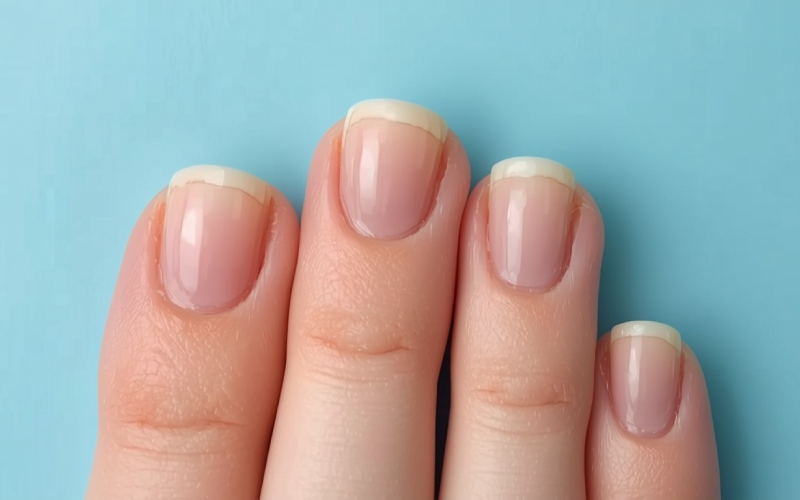
Fingernails can provide much more information about a person’s overall health, including thyroid function. Hypothyroidism is a condition in which the thyroid stops producing enough thyroid hormones. It can negatively impact your skin, hair, and nails. With time, these changes become noticeable. Apart from nail changes, there are several other early signs indicating hypothyroidism, such as fatigue, weight gain, dry skin, and sensitivity to cold.
Also Read : Heart Hypokinesis Explained: Causes, Symptoms, Serious Implications, and Treatment Options
In today’s article, we will discuss the connection between hypothyroidism and thyroid nails, which will help you identify potential warning signs and seek medical care early.
What Is Hypothyroidism?
Hypothyroidism refers to a condition where the thyroid gland stops producing sufficient amounts of thyroid hormones to regulate metabolism, energy production, and more.
Common causes include:
- Hashimoto’s thyroiditis
- Thyroid surgery
- Radioactive iodine treatment
- Certain medications
- Iodine deficiency (in some regions)
- Congenital thyroid disorders
How Does Hypothyroidism Affect the Nails?
Nail growth is directly linked to proper blood circulation, adequate nutrition, and normal hormone levels. When thyroid hormone levels are below normal, nails start becoming weaker, more brittle, and their growth slows down.
Common Nail Changes Associated With Hypothyroidism
People suffering from hypothyroidism may face these symptoms with their nails:
- Brittle nails that break easily
- Slow nail growth
- Dry or rough nails
- Thin nails
- Nails that split or peel
- Dull appearance
- Increased nail ridges
- Nails separating from the nail bed (onycholysis), in some cases
Other Symptoms That May Occur Alongside Nail Changes
Apart from symptoms related to the nails, there can be several other indications of hypothyroidism, such as:
- Fatigue
- Weight gain
- Dry skin
- Hair thinning or hair loss
- Increased sensitivity to cold
- Constipation
- Muscle weakness
- Depression or low mood
- Puffy face
- Slower heart rate
How Is Hypothyroidism Diagnosed?
Healthcare professionals often diagnose hypothyroidism using a combination of techniques like:
- Medical history
- Physical examination
- Blood tests measuring thyroid-stimulating hormone (TSH)
- Free thyroxine (Free T4) levels
- Additional thyroid tests when appropriate
Amongst them, blood testing is one of the most effective ones.
Can Thyroid Nail Changes Improve?
Yes, with proper treatment of hypothyroidism, the thyroid starts producing hormones at a normal level, which brings back nail growth to a healthy range.
Treatment for Hypothyroidism
Generally, the treatment of hypothyroidism starts with thyroid hormone replacement therapy, which includes:
- Restoring normal thyroid hormone levels
- Relieving symptoms
- Supporting healthy metabolism
- Preventing long-term complications
It is recommended to regularly get your blood tested to ensure the medication dose is appropriate.
Tips for Maintaining Healthy Nails
While treating hypothyroidism, you can also follow these health tips to support your nail growth.
- Keeping nails clean and moisturized
- Eating a balanced diet rich in protein, vitamins, and minerals
- Avoiding excessive exposure to harsh chemicals
- Wearing gloves during household cleaning
- Staying well hydrated
- Avoiding unnecessary nail trauma
When Should You See a Doctor?
It is recommended to consult a doctor in case you notice:
- Persistent brittle or splitting nails
- Nail changes accompanied by fatigue or weight gain
- Hair loss and dry skin occurring together
- Ongoing sensitivity to cold
- Significant nail separation from the nail bed
- Symptoms that continue despite treatment
Frequently Asked Questions (FAQs)
Can Brittle Nails be the First Sign of Hypothyroidism?
Absolutely, brittle nails, slow growth, and weak nails are among the common symptoms of hypothyroidism.
Will My Nails Return to Normal After Thyroid Treatment?
Yes, your nails can return to a normal state after thyroid treatment because thyroid hormones will return to normal.
Are Nail Changes Enough to Diagnose Hypothyroidism?
No, nail changes can happen for several reasons. Diagnosing hypothyroidism is not enough. It can happen due to other factors like aging, nutritional deficiencies, fungal infections, or other health conditions.
Conclusion
Hypothyroidism can affect your entire body system, depending on its state. Its impact can reach your nails and make them weak, stunt their growth and cause splitting nails. It is crucial to diagnose hypothyroidism as early as possible and start suitable treatment as per your condition to ensure hypothyroidism gets treated in a timely manner. In this article, we discussed this topic in detail and shared relevant information with you. In the end, we hope that you like reading it and find it informative. If so, then do share it with others as well.

Congestive heart failure is not something which will only get worse, and you can’t overcome this disease. A diagnosis of heart failure can improve with the right treatment and cause improvement in heart functionality.
However, it requires a long-term treatment plan and consistent efforts towards improving heart health. Let’s discuss in detail whether it can be reversed or not, and other details related to this topic, so keep reading.
What Is Congestive Heart Failure?
Heart failure refers to a condition in which the heart cannot pump enough blood to meet the body’s needs. The term “congestive” means fluid buildup due to improper functioning of the heart, which results in fluid collecting in the lungs, legs, ankles, or other body parts. Conditions like coronary artery disease, high blood pressure, heart valve problems, cardiomyopathy, and previous heart damage are among the primary reasons behind heart failure.
Can Heart Failure Be Reversed?
Yes, it can be reversed, but not all forms of heart failure can be reversed; only a few of them can be, when the underlying cause is identified and treated. In general cases, heart damage is permanent. With consistent treatment, it can reduce hospitalization, but complete removal is rare.
What Can Cause Heart Failure to Improve?
- Treating High Blood Pressure: Uncontrolled high blood pressure is directly linked to an increased risk of heart failure; it is important to control it.
- Treating Heart Valve Problems: Some valve disorders affect the heart’s ability to pump or fill properly. To resolve it, an appropriate valve repair or replacement is required.
- Treating Abnormal Heart Rhythms: Consistent rapid heart rhythms can weaken the heart in the long run. It is important to treat them in a timely manner to avoid the risk of negative consequences.
- Treating Coronary Artery Disease: When coronary arteries are blocked or narrowed for any reason, they can reduce blood flow to the heart muscle; that’s why appropriate treatment is required to prevent additional damage and improve heart function.
Can Lifestyle Changes Help?
Absolutely, lifestyle changes are integral to managing heart health. Generally, these changes help patients the most:
- Following a heart-healthy eating pattern
- Limiting sodium when advised
- Maintaining a healthy weight
- Staying physically active at an appropriate level
- Avoiding smoking
- Limiting alcohol
- Taking prescribed medications consistently
- Monitoring symptoms and fluid retention
Medications and Heart Failure
Modern treatments heavily depend on medications. Depending on the type of heart failure, doctors may prescribe medications to reduce strain on the heart, control blood pressure, remove excess fluid, or improve cardiovascular outcomes.
In some people, certain devices are also used to control abnormal rhythms or treat significant structural heart problems.
Can a Weak Heart Become Stronger?
After successful treatment of the underlying heart problem, the first positive outcome is the improvement of heart health or stoppage of further loss. However, it doesn’t mean that you stop the treatment; the underlying condition can return if medications are discontinued. Timely follow-ups are also recommended for better heart health.
When Is Heart Failure an Emergency?
If you are experiencing heart failure with severe difficulty breathing, chest pain, fainting, severe weakness, confusion, or other rapidly worsening symptoms, then instead of waiting for the next doctor’s appointment, you should rush to the hospital seeking emergency medical care.
Frequently Asked Questions (FAQs)
Is Congestive Heart Failure Completely Curable?
Generally, it is not completely curable, but its symptoms can be reduced substantially with the improvement of heart health due to the right treatment.
Can Ejection Fraction Improve After Heart Failure?
Yes, in some cases, significant improvement has been seen after treatment. However, you shouldn’t stop visiting doctors for further health updates.
Can Lifestyle Changes Reverse Heart Failure?
Lifestyle changes are an integral part of heart failure treatment, but alone, they can’t reverse heart failure; medications and other health care services also play a crucial role in the overall treatment.
Conclusion
Congestive heart failure is reversible in some cases with proper treatment, lifestyle changes, healthy diet, and guided exercise. However, even after reversal, you shouldn’t stop visiting the hospital for a checkup. Even a small mistake can turn deadly. Heart health is crucial, and this article discusses an important topic around it. In the end, we hope you enjoy reading this post and find it informative. If so, then do share this post with others as well.

Hypertension is often associated with other medical conditions, and dehydration is one of them. But the question is: can not drinking enough water actually cause high blood pressure? If you are also interested in knowing the answer to this question, you have reached the right page. Let’s discuss this topic in detail.
How Does Dehydration Affect Blood Pressure?
During dehydration, your body loses more fluid than it consumes, resulting in less fluid circulating in your bloodstream. Dehydration causes the blood volume to fall and causes blood pressure to drop, especially when you stand up. Your body responds to this condition by releasing hormones and activating the nervous system to maintain circulation. These responses can cause blood vessels to narrow and the heart rate to increase.
Can Dehydration Actually Raise Blood Pressure?
Dehydration is not a common factor that increases blood pressure, but in some cases, it can contribute to a temporary increase in blood pressure. When reduced blood volume is observed by your body, it activates mechanisms to help maintain blood flow to vital organs. As a result, blood vessels may constrict, which increases resistance to blood flow and stress hormones are also released, which can impact heart rate and circulation.
However, generally dehydration is associated with low blood pressure, particularly when fluid loss is significant.
Symptoms of Dehydration
In this section, we are sharing some of the most common symptoms of dehydration:
Common signs include:
- Increased thirst
- Dry mouth
- Dark yellow urine
- Urinating less frequently
- Fatigue
- Dizziness
- Headache
- Weakness
- Dry skin
In extreme cases, it can cause confusion, fainting, rapid heartbeat, or significant weakness. Then it becomes a medical emergency.
Who Is More Vulnerable?
These people are more likely to become dehydrated than others:
- Exercise heavily or sweat excessively
- Work in hot environments
- Have vomiting or diarrhea
- Don’t drink enough fluids
- Take certain medications that increase fluid loss
- Are older adults
Does Drinking Water Lower Blood Pressure?
Drinking water is important to treat dehydration and hydrate your body to control changes in blood pressure, but it is not a specific treatment for chronic high blood pressure. If you measure that your blood pressure is constantly elevated, the possible reasons may include genetics, excess sodium intake, obesity, physical inactivity, stress, kidney disease, or certain medications.
How Much Water Should You Drink?
There is not one universal amount of water set for everyone. Fluid requirements are specific and vary from person to person. It primarily depends on factors like body size, activity, climate, diet, and health conditions. Ideally, you should regularly drink water throughout the day and maintain fluid intake when you are losing more water through sweating, exercise, vomiting, or diarrhea.
What Should You Do If Your Blood Pressure Is High?
If your blood pressure is significantly high, then assuming it is due to dehydration is not a recommended thing to do. First, you should sit quietly for a few minutes and measure your blood pressure again. If you find it elevated, then consulting with a medical professional would be the most ideal way of dealing with it.
Frequently Asked Questions (FAQs)
Can Dehydration Directly Cause High Blood Pressure?
No, dehydration is not directly linked with chronic high blood pressure. Generally, due to fluid loss, the body’s response may temporarily affect blood pressure and cause blood vessels to constrict.
Is Dehydration More Likely to Cause High or Low Blood Pressure?
Long-term dehydration can cause hypotension. Because dehydration can reduce the circulation of blood volume.
Can Drinking Water Quickly Lower High Blood Pressure?
Drinking water may provide temporary relief, but it is not a standalone treatment for persistent hypertension. Repeated high readings require a proper health check-up to find their root causes and effective treatment.
Conclusion
Dehydration and blood pressure are not usually related. Still, in some cases, we have found certain connections, such as long-term dehydration resulting in low blood volume, which can cause low blood pressure. But high blood pressure from dehydration is rare. In this article, we discussed this topic in detail and shared relevant information with you. If you need further help, you can visit a healthcare professional for a complete checkup and treatment.
Are you feeling shaky, weak, dizzy, or unusually hungry a few hours after eating? It can be a confusing experience, but one possible reason behind this condition can be reactive hypoglycemia, also called postprandial hypoglycemia. In this condition, blood sugar levels drop after having a meal, usually within four hours. It can be an uncomfortable experience, but it is not a definite sign of diabetes. Let’s discuss it in detail.
Also Read : Atrial Flutter vs. Atrial Fibrillation: Understanding the Key Differences
What Is Reactive Hypoglycemia?
Reactive hypoglycemia means low blood sugar two to four hours after a meal. The exact reason behind this condition is not always clear, especially in people who don’t have diabetes. Some possible reasons include the type and time of meal consumed, certain medical conditions or previous stomach surgery, and more.
What Causes Reactive Hypoglycemia?
The exact reason is mostly unknown. Possible explanations include consuming large amounts of simple carbohydrates or added sugar-rich foods, which can cause blood glucose to rise quickly and then fall. Food items such as white bread, pasta, potatoes, pastries, cakes, sweetened drinks, candy, and other similar items may trigger this condition.
Other possible contributors include:
- Alcohol, particularly when consumed without food
- Previous gastric bypass or other bariatric surgery
- Certain inherited metabolic conditions
- Some tumors or other underlying medical conditions
- Diabetes medications in people who have diabetes
Symptoms of Reactive Hypoglycemia
The common symptoms of reactive hypoglycemia include:
- Shaking or trembling
- Sweating or chills
- Dizziness or lightheadedness
- Hunger
- Weakness or fatigue
- Headache
- Fast or irregular heartbeat
- Irritability or anxiety
- Difficulty concentrating
- Nausea
Serious hypoglycemia can confuse vision problems, seizures, or loss of consciousness. In such a condition, it requires immediate medical attention.
How Can You Manage Reactive Hypoglycemia?
It can be managed by adopting these habits:
- Choose Balanced Meals: You should always opt for a balanced meal combining carbohydrates with protein, fiber, and healthy fats. It will slow your digestion and prevent rapid changes in blood glucose.
- Limit Sugary Foods: Sugar is a simple carbohydrate. Food items such as sugary drinks, candy, pastries, and other similar food items are not good for your health.
- Don’t Drink Alcohol on an Empty Stomach: Never drink alcohol. As per the World Health Organization, there is no safe limit of alcohol for human consumption, you should completely avoid it.
- Consider Smaller, Regular Meals: Instead of eating large meals at once, break them down into smaller and more frequent meals. As per Mayo Clinic, meals or snacks with a three-hour gap may help some people with reactive hypoglycemia.
How Is Reactive Hypoglycemia Diagnosed?
Feeling hungry or having a low blood sugar count three to four hours after eating doesn’t automatically confirm reactive hypoglycemia. A healthcare professional will monitor your condition closely before and after having a meal to conclude whether you have reactive hypoglycemia or not. It is often detected through mixed-meal tolerance tests, in which blood glucose is monitored after consuming a meal including carbohydrates, protein, and fat.
When Should You See a Doctor?
If you frequently experience unusual hunger after a few hours of having a meal, then you should get yourself tested. However, symptoms like seizures, loss of consciousness, severe confusion, or inability to safely eat or drink are medical emergencies and require immediate medical attention.
Frequently Asked Questions (FAQs)
How Long After Eating Does Reactive Hypoglycemia Occur?
The usual timing is two to four hours after eating.
Can Reactive Hypoglycemia Mean I Have Diabetes?
No, diabetes and reactive hypoglycemia are two different diseases and can happen independently of each other. However, both require regular medical attention for effective treatment.
What Should I Eat if I Experience Reactive Hypoglycemia?
You should always opt for a balanced meal that includes fiber-rich carbohydrates, protein, and healthy fats. Following this tip is beneficial for everyone.
Conclusion
Reactive hypoglycemia is an uncomfortable situation. Symptoms like shaking, sweating, dizziness, hunger, weakness, and headaches are commonly associated with reactive hypoglycemia. In this article, we shared details about reactive hypoglycemia. In the end, we hope you enjoy reading this post and find it informative. If so, then do share this post with others as well.


Is Charfen.co.uk Legit? A Complete Trust, Safety, and Credibility Review for 2026

Inside Thealitekeepsafe.com: How the Website Is Building Its Digital Footprint in 2026

GlaadVoice.com Review 2026: Features, Content, Credibility, and What You Should Know

Best Kickass Proxy List 2024 – 100% Working to Unblock to Access

Banging The Underdog Incident 2022

TamilRockers Proxy 2025: 20+ Working Links, Mirror Sites & VPN Guide
-
Entertainment2 years ago
Best Kickass Proxy List 2024 – 100% Working to Unblock to Access
-
 Lifestyle2 years ago
Banging The Underdog Incident 2022
-
Entertainment2 years ago
TamilRockers Proxy 2025: 20+ Working Links, Mirror Sites & VPN Guide
-

 Fashion2 years ago
Trendy Midi Dresses for Casual Wear: Hair Care Tips Included!
-
 Entertainment2 years ago
TamilMV Proxy Sites List 2025 – How to Unblock TamilMV Safely?
-
 Entertainment2 years ago
Pirate Bay Proxy List 2025: Access The Pirate Bay Safely
-

 Piano2 years ago
How Online Piano Lessons Can Enhance Your Musical Skills?
-

 Technology2 years ago
SSIS 469 – Detailed Guide to Understand The Features and Benefits