
Health
How to Support a Friend with Depression


Depression is a common but serious mental health condition that can affect anyone. It’s important to understand that while you cannot “fix” their mental health issues, your support can provide comfort and encouragement during difficult times.
Recognizing the Signs of Depression
Before you can effectively support a friend with depression, it’s crucial to recognize the signs. Depression manifests in various ways, and being aware of these symptoms can help you offer timely and appropriate support.
Emotional Symptoms: These include persistent sadness, hopelessness, irritability, and feelings of guilt or worthlessness. Your friend might also lose interest in activities they once enjoyed.
Physical Symptoms: Depression can cause changes in appetite and weight, sleep disturbances (either insomnia or oversleeping), fatigue, and physical aches or pains with no apparent cause.
Behavioral Changes: You might notice your friend withdrawing from social activities, neglecting responsibilities, or exhibiting decreased performance at work or school. They may also struggle with concentration and decision-making.
How to Offer Emotional Support
When supporting a friend with depression, empathy and patience are key. Here are some ways to provide emotional support:
Listen Actively: Sometimes, the best support you can offer is a listening ear. Let your friend talk about their feelings without interrupting or offering unsolicited advice. Validate their emotions by acknowledging their pain and struggles.
Express Empathy: Show that you understand and care about what they’re going through. Simple statements like “I’m here for you” or “I can’t imagine how hard this must be for you” can provide comfort and reassurance.
Be Patient: Depression can be a long-term battle, and recovery doesn’t happen overnight. Be patient with your friend’s progress and understand that there will be good days and bad days.
Practical Ways to Help
In addition to emotional support, there are practical ways to assist a friend with depression. These actions can help alleviate some of their daily burdens and show that you care.
Offer to Help with Daily Tasks: Depression can make even simple tasks feel overwhelming. Offer to help with chores, run errands, or prepare meals. Your assistance can help reduce their stress and provide a sense of relief.
Promote Healthy Habits: Encourage your friend to engage in activities that promote mental well-being, such as regular exercise, healthy eating, and adequate sleep. Suggesting a walk together or cooking a healthy meal can be a supportive way to promote these habits.
Respecting Boundaries
While it’s important to offer support, respecting your friend’s boundaries is equally crucial. Depression can make individuals feel vulnerable, and they might need space and time to process their emotions.
Don’t Force Conversations: If your friend isn’t ready to talk, don’t push them. Let them know you’re available whenever they’re ready, but give them the space they need.
Respect Their Privacy: Avoid prying into their personal matters unless they willingly share them with you. Respecting their privacy fosters trust and shows that you care about their comfort.
Avoid Judgement: Refrain from judging their actions or feelings. Statements like “just snap out of it” or “others have it worse” are not helpful and can make them feel misunderstood and invalidated.
Maintaining Your Own Well-being
Supporting a friend with depression can be emotionally taxing. It’s important to take care of your own mental health while helping your friend.
Set Boundaries: While it’s noble to support your friend, you must also set boundaries to protect your well-being. Ensure you’re not overextending yourself or neglecting your own needs.
Seek Support: Don’t hesitate to seek support for yourself. Talking to a therapist or joining a support group for friends and family of individuals with depression can provide you with the emotional support you need.
Practice Self-Care: Engage in activities that rejuvenate you and maintain your mental health. Regular exercise, hobbies, and relaxation techniques can help you stay balanced and resilient.Supporting a friend with depression requires empathy, patience, and understanding.
Recognizing the signs of depression and offering both emotional and practical support can make a significant difference in their journey toward recovery. Remember to respect their boundaries and take care of your own well-being as well. By being a steadfast and compassionate friend, you can help them navigate their challenges and move toward a healthier, happier life.
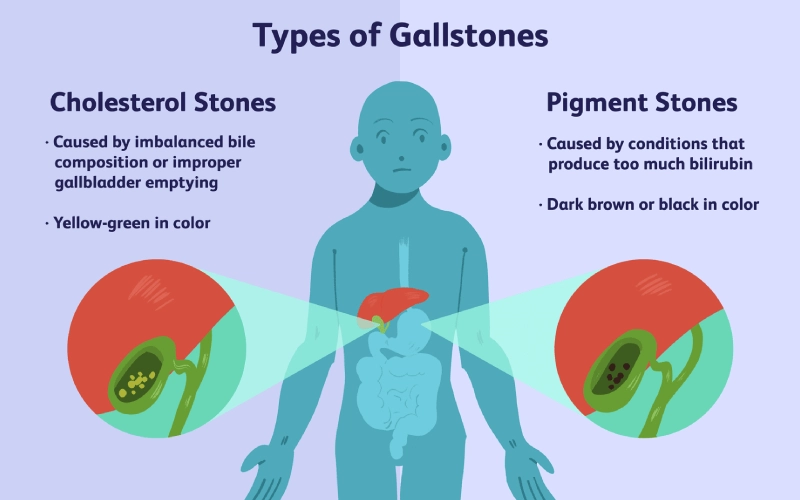
Unknown medical terms lead to extreme speculations, such as “Cholerhiasis”. Netizens are searching for the precise meaning of this word. In simple terms, Cholerhiasis defines a condition involving stones related to bile, most commonly associated with the gallbladder or bite ducts.
Also Read : Is Qoghundos Harmful or Simply Misunderstood? A Clear, Fact-Based Explanation
In this article, we will explore the meaning of Cholerhiasism, the primary reason behind its occurrence, how to treat it, and more, so keep reading this guide.
What Is Cholerhiasis?
Cholerhiasis is a term used to describe the formation of stones from bite components. These stones generally consist of:
Cholesterol
Bile pigments
Calcium salts
To understand it easily, you can link Cholerhiasis to gallstones. They both are identical, especially when the stones from in or affect bile flow.
Why Does Cholerhiasis Occur?
Cholerhiasis’ primary reason is the imbalance in the components of bile. Bile is a digestive fluid produced by the liver.
These factors are generally responsible for it:
Excess cholesterol in the bile
Poor gallbladder emptying
Imbalance of bile salts
Dehydration
Certain metabolic conditions
However, lifestyle and genetics play a significant role in it.
Who Is More Likely to Develop It?
Cholerhiasis is more common in:
Adults over 40
People with obesity or rapid weight loss
Individuals with a family history of gallstones
Pregnant women
People with sedentary lifestyles
It can occur to anyone, but these people are most likely to have it.
Common Symptoms
In the early stages, you will hardly notice any strange symptoms to identify Cholerhiasis. However, one should pay attention when noticing:
Pain in the upper right abdomen
Pain after eating fatty meals
Nausea or vomiting
Bloating or indigestion
Pain that radiates to the back or right shoulder
Symptoms are not permanent; they may appear and disappear frequently, which is why they remain unnoticed for years in many cases.
How Is Cholerhiasis Diagnosed?
Doctors usually diagnose cholerhiasis through:
Ultrasound imaging
Blood tests (to check liver function)
CT scans or MRI in complex cases
Diagnosis is systematic, and it starts once the problem is identified.
How Is Cholerhiasis Treated?
Treatment primarily depends on the seriousness of symptoms.
If There Are No Symptoms
No immediate treatment may be needed
Regular monitoring is often recommended
If Symptoms Are Present
Pain management
Dietary changes (lower fat intake)
Medications to dissolve certain types of stones (in select cases)
In More Severe Cases
Surgical removal of the gallbladder may be recommended
This is a common and generally safe procedure
Doctors first understand your problem and then execute treatment accordingly.
Lifestyle and Prevention Tips
Cholerhiasis is completely preventable, but some habits reduce its chances:
Maintain a healthy, steady weight
Avoid extreme crash diets
Stay hydrated
Eat balanced meals with fiber
Limit excessive fatty or processed foods
Stay physically active
These habits improve your overall health and make you a healthier person.
Is Cholerhiasis Serious?
Cholerhiasis is not a major disease; its severity is considered normal, but if untreated for a long time, it can cause these issues:
Inflammation
Infection
Blocked bile ducts
That’s why timely treatment is recommended, and you shouldn’t avoid it.
Frequently Asked Questions (FAQs)
Is Cholerhiasis The Same As Gallstones?
It is not precisely the same, but identical, gallstones are one of the most common forms of Cholerhiasis.
Can Cholerhiasis Go Away On Its Own?
It is rare that stones generally don’t disappear naturally and require proper treatment.
Is Surgery Always Required?
No, surgery is done in complex cases; in most cases, medication is enough to cure this illness.
Conclusion
Cholerhiasis sounds complex and can create fear mongering in some people, as unfamiliar medical terms open the door to negative speculations. It is a normal disease, and in this article, we discussed it in detail, from its meaning, symptoms, cure, and more. We hope that you like reading this post and find this article informative. If so, then do share this post with others as well.
Unfamiliar terms like Qoghundos can create confusion and a situation of uncertainty when they arrive suddenly online without clear explanations. Several people feel concerned about whether it is harmful or not. Its actual context can be significantly different from what we assume.
Also Read : How Medical Transport Companies Ensure Timely Arrivals for Appointments
If you are also wondering what it means and why it is appearing online, then let’s clear your doubts and discuss the term “Qoghundos” in detail, so keep reading.
What Is “Qoghundos”?
Qoghundos doesn’t have a definition like a traditional dictionary or subject words; it can be:
A coined or placeholder term
A label used in niche digital spaces
A term circulated without a standardized meaning
As of writing, there is no confirmed classification of Qoghundos as a chemical, medical condition, regulated product, technology, or anything.
Why Do People Think Qoghundos Might Be Harmful?
Concerns do arise normally for reasons like:
Lack of Clear Information: When an unambiguous term appears online, it generally attracts a negative perception initially.
Online Speculation: Social media platforms, forums, and blogs sometimes give shady meanings to unfamiliar terms to attract online traffic.
Is There Any Evidence That Qoghundos Is Harmful?
Although limited information is available regarding Qoghundos on public platforms, we can conclude:
No peer-reviewed studies identify Qoghundos as harmful
No regulatory warnings or advisories mention it
No confirmed reports link it to physical, digital, or psychological harm
Overall, there is no factual evidence supporting claims that Qoghundos is harmful.
Where Qoghundos Is Commonly Mentioned
Qoghundos frequently appears in:
Experimental or speculative discussions
Fictional, symbolic, or placeholder contexts
Online content lacking authoritative sourcing
This confused environment further elevates the speculation regarding Qoghundos, and most of them are negative.
When Should You Be Cautious?
Even if Qoghundos seems legit, you should be careful if:
It’s used to promote products with exaggerated claims
It appears in phishing, scam, or misleading content
Someone asks for personal data or payment linked to it
During these scenarios, it is important to avoid risk and protect your system.
How to Approach Unclear Terms Like Qoghundos
Approach unclear terms like Qoghundos with steps like:
Look for credible sources
Check for scientific or regulatory references
Avoid assuming danger without evidence
Be skeptical of dramatic claims
Focus on verified context
However, one should remember that unfamiliarity doesn’t automatically make anything unsafe.
Frequently Asked Questions (FAQs)
Is Qoghundos A Medical Or Chemical Term?
No verified information regarding whether it is a medical or chemical term is available.
Has Qoghundos Been Officially Classified As Harmful?
Not yet, even though it is not classified into anything yet.
Why Does It Sound Concerning?
Due to unfamiliarity, people may consider it harmful; no concrete evidence is available to prove it.
Conclusion
Qoghundos is a classic example of how unknown words can create fear amongst netizens. Someone is considering it as a virus, someone is a harmful substance, or more. While in reality, it can be a privacy code or a technical code that represents a process or similar activity in a system. Moreover, there is no need to fear it, and we have discussed “Qoghundos” in detail, and we hope that you like reading it. If so, then do share this post with others as well.

In healthcare, timing is often crucial. Whether patients travel to routine check-ups, critical treatments, or urgent medical procedures, arriving on time can significantly impact their overall care experience. Medical transport companies are essential in supporting patients who require reliable and punctual transportation services. These companies operate within a complex logistics, communication, and healthcare coordination network to ensure patients reach their appointments without delay. We will explore the strategies and practices medical transport companies implement to maintain punctuality and meet the unique demands of medical travel.
Strategies Medical Transport Companies Use to Guarantee Timely Arrivals
- Careful Scheduling and Route Planning
Medical transport companies, including the highest rated medical transportation company, rely heavily on meticulous scheduling to prevent delays. Appointments are often booked well in advance, allowing transportation coordinators to organize pick-up times carefully. Route planning software is commonly used to map out the most efficient paths, considering real-time traffic data, road closures, and possible detours. This advanced preparation helps drivers avoid common obstacles that could cause lateness. Additionally, companies schedule buffer times between appointments to accommodate unforeseen circumstances such as traffic congestion or patient readiness. This level of detailed planning ensures that patients are picked up and dropped off promptly, which is vital for medical appointments where time sensitivity is high.
- Real-Time Communication and Monitoring
Effective communication is a key factor in maintaining punctuality in medical transportation. Dispatch centers continuously monitor vehicles through GPS tracking systems, allowing staff to track progress and address delays immediately. Drivers contact dispatchers via radio or mobile devices to report traffic issues, patient boarding times, or other disruptions. This ongoing communication enables rapid adjustments such as rerouting to avoid congestion or dispatching backup vehicles if needed. Medical transport companies sometimes coordinate directly with healthcare providers to update them on estimated arrival times or delays, keeping all parties informed and prepared.
- Professional Driver Training and Patient Handling
The training provided to drivers in medical transport companies goes beyond just safe driving practices. Drivers are educated on the importance of punctuality and how to manage time efficiently during pick-ups and drop-offs. They are trained to assist patients swiftly yet respectfully, which helps reduce the time spent at each stop without compromising patient comfort and safety. Drivers also learn how to handle various patient needs, from wheelchair assistance to managing patients with mobility challenges, ensuring that these tasks are completed promptly. This combination of skill and sensitivity helps keep the transportation schedule on track.
- Use of Dedicated Medical Transport Vehicles
The design and preparation of the vehicles used by medical transport companies contribute significantly to timely arrivals. These vehicles are often equipped to handle specific medical requirements efficiently, allowing quicker boarding and disembarking. Features such as wheelchair lifts, secure seating, and ample space for medical equipment reduce the time needed for patient transfers. Vehicles are maintained regularly to avoid breakdowns or mechanical delays that could disrupt the schedule. Companies reduce the risk of unexpected interruptions by ensuring the vehicles are always ready and suited to medical transport needs.
- Contingency Planning and Flexibility
No matter how well a schedule is planned, unexpected events can occur. Medical transport companies prepare for such situations by having contingency plans in place. These plans include access to alternative routes, backup drivers, and additional vehicles that can be deployed when necessary. Flexibility is also built into the scheduling system to accommodate last-minute appointment changes or patient needs. Adapting quickly and efficiently to changing circumstances is critical to preventing delays and ensuring patients arrive on time despite challenging conditions.
- Coordination with Healthcare Providers and Facilities
Close collaboration with healthcare providers and medical facilities supports punctual arrivals by streamlining transportation. Transport companies often communicate appointment details and patient requirements with clinics and hospitals beforehand. This coordination helps synchronize patient readiness with transport schedules, reducing waiting periods. It also allows medical facilities to prepare for incoming patients, speeding up check-in and reducing appointment delays. This partnership creates a smoother patient journey from pick-up to arrival and maintains timeliness.
- Implementation of Technology and Automation
Medical transport companies increasingly use technology to enhance punctuality. Automated scheduling platforms help manage appointments and allocate vehicles efficiently, minimizing human error. GPS tracking systems monitor vehicle location and analyze traffic patterns to suggest optimal departure times. Mobile apps may inform patients of their pick-up times and allow easy communication with drivers or dispatchers. Some companies employ data analytics to review past transportation data and identify patterns that could improve future punctuality. Technology enables companies to provide timely, responsive services that align with the needs of both patients and healthcare providers.
Timely arrivals for medical appointments are critical for patients’ health outcomes and the smooth operation of healthcare facilities. Medical transport companies employ a combination of detailed planning, real-time communication, professional driver training, and advanced technology to meet these demands. Their coordinated efforts with healthcare providers and emphasis on flexibility and feedback help maintain a reliable transportation system that supports patients’ needs effectively.
Medical transport companies take a comprehensive approach to ensure punctuality. Strategic scheduling, constant communication, well-equipped vehicles, and adaptable contingency plans reduce delays and help patients reach their appointments on time. These coordinated efforts demonstrate the commitment to providing dependable transportation that aligns with the critical nature of medical care. Patients, healthcare providers, and transport services benefit from a system prioritizing timely arrivals and seamless coordination.


What Is a Zetlersont Product Fact? Why It Matters Before You Buy Anything

What Happened to Steven Cauble After His Divorce from Lisa Whelchel? A Look at His Life and Path Forward

Naolozut253 Explained: Is This Mysterious Code Really Changing Digital Life?

Best Kickass Proxy List 2024 – 100% Working to Unblock to Access

Banging The Underdog Incident 2022

TamilRockers Proxy 2025: 20+ Working Links, Mirror Sites & VPN Guide
-
Entertainment2 years ago
Best Kickass Proxy List 2024 – 100% Working to Unblock to Access
-
 Lifestyle2 years ago
Banging The Underdog Incident 2022
-
Entertainment2 years ago
TamilRockers Proxy 2025: 20+ Working Links, Mirror Sites & VPN Guide
-
 Entertainment2 years ago
TamilMV Proxy Sites List 2025 – How to Unblock TamilMV Safely?
-

 Fashion2 years ago
Trendy Midi Dresses for Casual Wear: Hair Care Tips Included!
-
 Entertainment2 years ago
Pirate Bay Proxy List 2025: Access The Pirate Bay Safely
-

 Technology1 year ago
SSIS 469 – Detailed Guide to Understand The Features and Benefits
-

 Blog2 years ago
Cy Kass – Family Detail of Alex Wagner and Sam Kass